
This is Part 2 of our series on adopting a Border Collie.
Dog proofing or puppy proofing your house for a Border Collie means putting away anything toxic, swallowable or chewable, locking up cleaners and chemicals, and making sure doors, gates and fences actually hold your dog. Do it before your dog comes home if you can. If your dog is already here, start today with the kitchen, the garage and the yard.
If you’ve had a dog before, you know they can get into just about anything once they put their minds to it. If you haven’t, now you know. Border Collies can be worse than most breeds, especially when they don’t get the exercise they need every day.
How to Dog Proof Your House: 6 Rules
Most dog proofing comes down to a handful of habits. Follow these and you’ll catch the majority of hazards before you even get to the room-by-room list.
- Get down on your hands and knees and look around each room from your dog’s height. You’ll spot cords, crumbs and small objects you never noticed.
- Put anything small enough to swallow in a drawer or bin with a lid.
- Lock cabinets that hold food, cleaners or medicine. Child locks work fine on a curious dog.
- Keep counters and tables clear of food, since Border Collies are quick to learn counter surfing.
- Close doors and gates every time, and check the fence before your dog goes out alone.
- Give your dog something better to do. A tired, busy Border Collie gets into far less trouble.
Dog-Proofing Checklist by Room
Here’s a quick summary of the main hazards in each part of the house and what to do about each one.
| Room | Main hazards | What to do |
|---|---|---|
| Kitchen | Toxic foods, trash, cleaners under the sink | Clear counters, lidded trash can, cabinet locks |
| Living room | Cords, candles, potpourri, houseplants, kids’ toys | Hide cords, move plants and small items up high |
| Bedrooms | Shoes, laundry, jewelry, hair ties, medicines | Use closets and drawers, keep the floor clear |
| Bathrooms | Medications, razors, cleaners, toilet water | Medicine cabinet, cabinet locks, lid down |
| Garage | Antifreeze, rodent bait, pesticides, paint, sharp tools | Keep the dog out or store everything up high and sealed |
| Yard | Gaps in the fence, toxic plants, fertilizer, pool | Walk the fence line, check plants, block climbing spots |
Dog Proofing the Kitchen
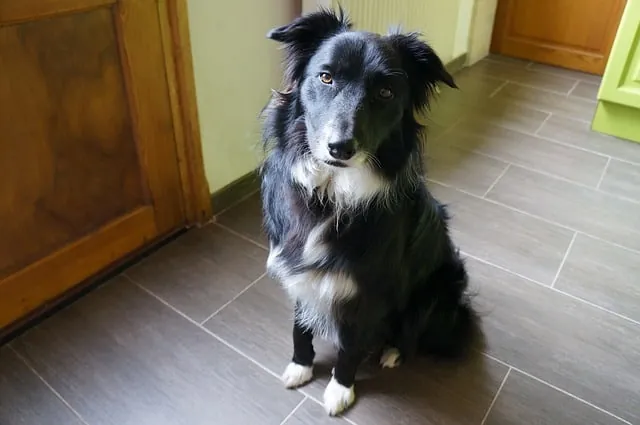
The most common problem in the kitchen is food. Keep cabinets shut, and keep anything harmful off the floor and off the counters, out of reach from your pup.
Some everyday foods are toxic to dogs, including chocolate, grapes and raisins, onions, garlic, macadamia nuts, alcohol, caffeine and raw bread dough. Xylitol, a sweetener in some sugar-free gum, candy and peanut butters, is toxic to dogs too. The FDA’s list of potentially dangerous items for pets is a good one to read once, and our Border Collie food guide covers what is safe to feed.
If you keep cleaners and dishwasher detergent under the sink, add a child lock so the cabinet can’t be nosed open. Use a trash can with a locking or heavy lid, because food scraps are the main thing that pulls a dog into the trash. Watch for plastic wrap, twist ties, corn cobs, bones and other things that are easy to swallow and hard to pass.
Dog Proofing the Living Room
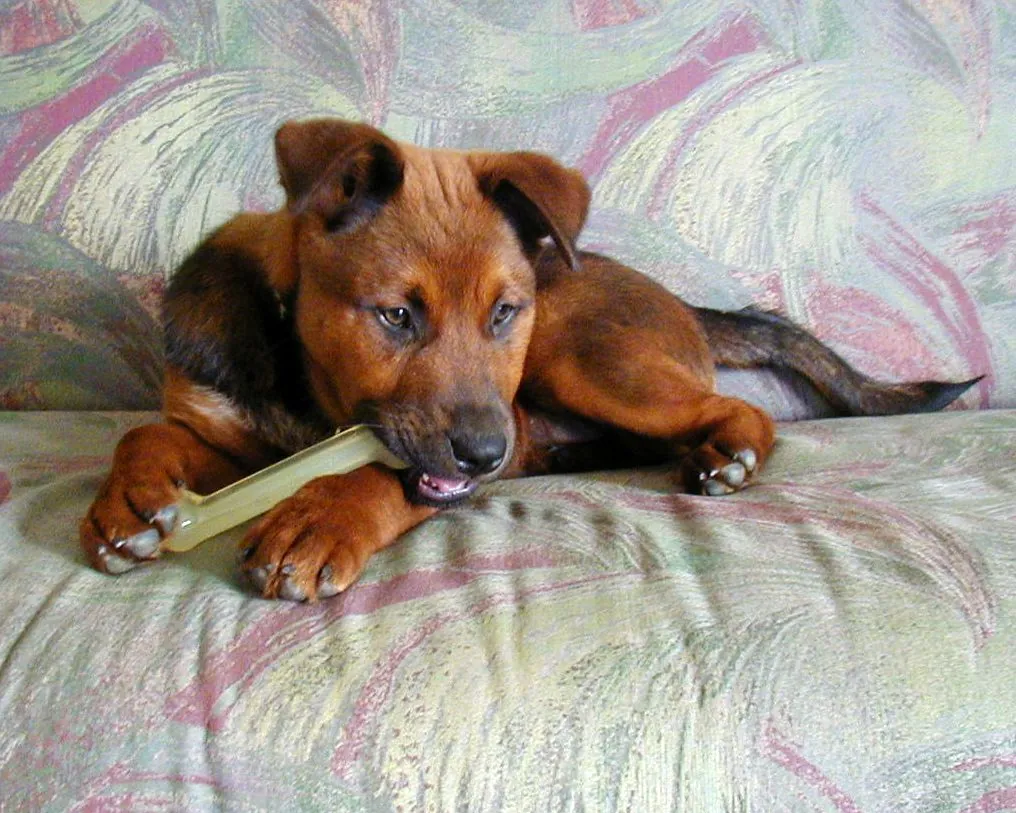
The living room is usually where your Border Collie will spend the most time with you, so it’s worth a careful look.
Keep candles, potpourri and similar accessories out of reach so your dog can’t eat them. Liquid potpourri is on the FDA’s list of items that are dangerous to pets. Get wires from the TV, computer and other electronics off the ground or into a cord cover, especially with a young dog that chews.
If you have a fireplace, make sure it has a proper screen or door so your dog can’t get close enough to burn their face or catch a spark in the eye. If your living room opens to the front door, keep the door closed, or use a screen door or a baby gate so your dog can’t slip out.
If you’re a plant lover like my wife and I are, make sure your houseplants are safe for dogs. Pothos, philodendron, aloe vera, peace lily and the corn plant are all common houseplants that show up on toxic plant lists.
If you have kids, put away toys and games with small pieces when you aren’t there to supervise. Then give your dog something they’re allowed to chew, so the furniture and the kids’ toys aren’t the only options.
Dog Proofing Bedrooms
Bedrooms aren’t as risky as the rest of the house. You can always shut the door, but I’d recommend against it. To your Border Collie it feels like being shut out of part of the house, and a dog that can sleep near you settles in faster.
Keep shoes and laundry off the floor or in a closed closet. Socks, underwear and loose strings are easy to swallow and can cause a blockage. Put jewelry, hair ties, makeup and other small items in a drawer when you aren’t using them, and keep lotions and medicines out of reach.
If you have a small trash can on the floor, keep it empty when you aren’t around to supervise, or move it into the closet. Keep electrical cords off the floor here too.
Dog Proofing Bathrooms
The bathroom holds some of the most dangerous things in the house, mostly in the medicine cabinet. Human medications, including common pain relievers like ibuprofen and naproxen, can be harmful to dogs. Keep every pill bottle in a closed cabinet, and pick up any dropped pill right away.
If cleaners and other chemicals live under the sink, make sure your dog has no way to open that door. Keep razors, cosmetics, lotions and creams in the medicine cabinet or a drawer.
Keep the trash can under a cabinet or behind a door. My Border Collie completely ignored trash cans unless they had food in them, but it’s better to be safe than sorry. Keep the toilet lid down too, especially if you use toilet bowl cleaner tablets. Store shampoos and soaps on a high shelf or in a shower caddy.
Dog Proofing the Garage
The garage can be the most dangerous place in the house for your Border Collie. It’s where you store everything from outdoor gear to old paint cans, and weed killer to rat bait. For this reason, I always kept my pup out of the garage.
If you want to let your dog in, here’s how to make the garage safer:
- Clean the floor first. Oil stains, paint chips and spilled chemicals can all get licked up.
- Store antifreeze, pesticides, weed killer, fertilizer, ice melt, paint and solvents high up in a closed cabinet. Antifreeze is especially dangerous to dogs.
- Get rid of rat and mouse bait and traps, or put them where your dog can’t possibly reach them.
- Keep stored items in closed plastic bins.
- Keep nuts, bolts and screws from the workbench in drawers or containers.
- Hang sharp tools like clippers, shovels and rakes out of reach.
- Keep the garage door closed so your Border Collie can’t run out into the street.
Dog Proofing the Backyard

The yard can be just as dangerous as the garage. It’s full of nooks and crannies, plants, wildlife and who knows what else, so dog proof it before your new Border Collie spends time out there alone.
Check every plant in the yard. Azaleas, rhododendrons, sago palm, oleander, yew, foxglove, tulip and daffodil bulbs, and fruit trees with pits are all on toxic lists. Cocoa mulch, lawn fertilizer and weed killers are hazards too, so read labels and keep your dog off freshly treated grass.
Rat bait and traps are a real danger outdoors. When I was a kid, our golden retriever ate rat poison in the shed in our backyard. She was acting funny and sick, so we rushed her to the animal hospital. It’s a good thing we did, because she had to have her stomach pumped and would have died otherwise.
If tools are stored along the side of the house, block off that area so nothing falls on your dog. If you have a pool, fence it off or supervise every visit. Dogs can tire out and struggle to find the steps, and dog hair will clog the pool filter.
Escape-Proofing Doors, Gates and Fences
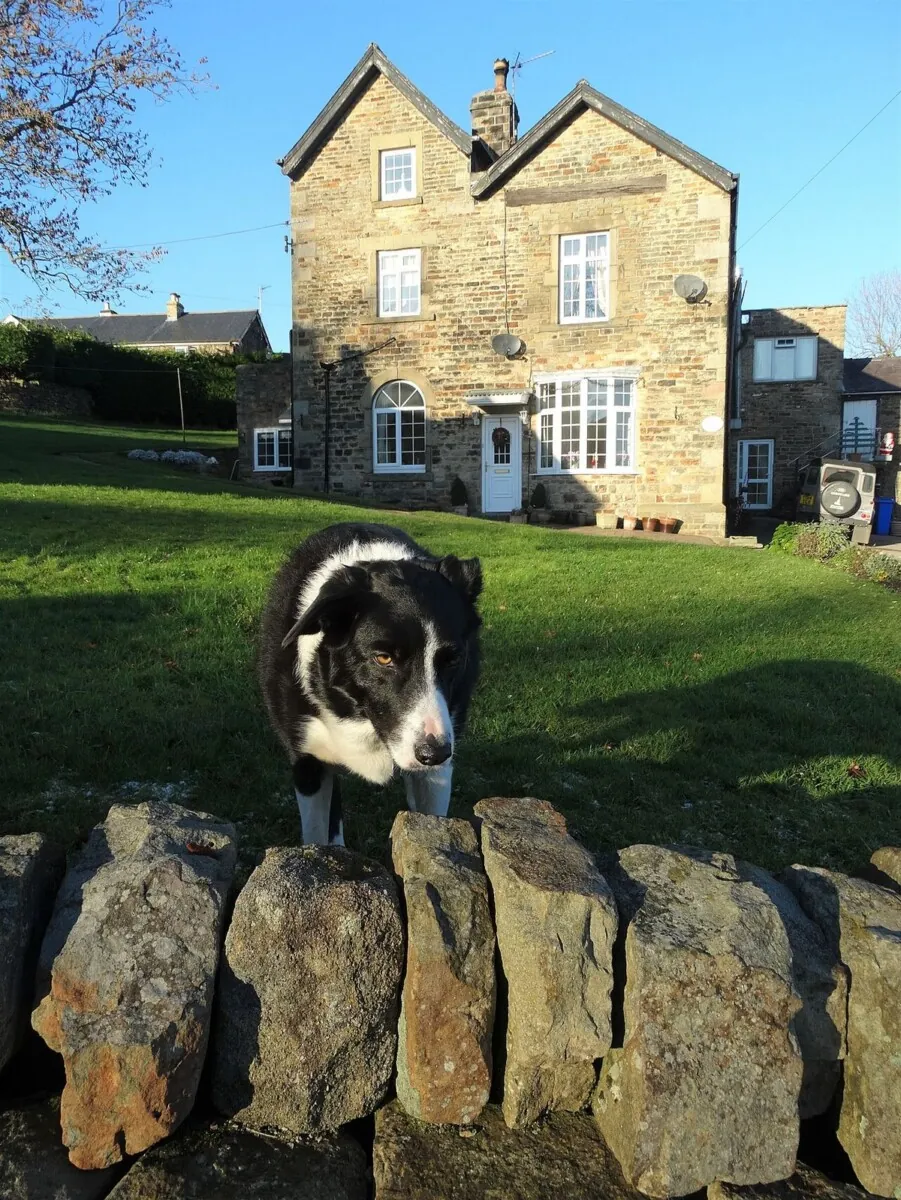
Border Collies are fast, athletic and wired to chase anything that moves, from squirrels to cars. That makes escape-proofing a big part of dog proofing a house for this breed.
Your fence needs to be tall enough that your dog can’t jump or climb over it, with no holes, broken boards, loose panels or nails sticking out. Walk the full fence line and look for gaps at the bottom, since some dogs dig. Move trash cans, wood piles, benches and anything else your dog could use as a step up and over.
Self-closing hinges and a latch on every gate help, especially if kids, guests or delivery drivers use them. Inside, a baby gate at the front door gives you a second barrier while you get your new dog’s recall trained. Our Border Collie training guide covers teaching a reliable recall and waiting at doors.
Why Exercise Is Part of Dog Proofing
A bored Border Collie will find a job, and it’s usually chewing, digging or getting into things it shouldn’t. No amount of cabinet locks makes up for a dog with energy to burn.
Plan for daily walks, games like fetch and tug, and mental work like puzzle toys and short training sessions. The best toys for Border Collies are a good place to start, and if you live in a smaller space, our guide to Border Collies in apartments has tips for keeping one busy indoors.
What to Do If Your Dog Eats Something Toxic
If you think your Border Collie ate something toxic, call your vet or an emergency animal hospital right away. Don’t wait for symptoms, and don’t try to make your dog vomit unless a vet tells you to.
You can also call the ASPCA Animal Poison Control Center at (888) 426-4435, which is open 24 hours a day. A consultation fee may apply. Have the package or plant with you so you can say exactly what your dog ate and how much. Save your vet’s number and the nearest emergency clinic in your phone now, and see our Border Collie vet care guide for help choosing a vet.
Dog Proofing FAQ
How do I dog proof my house?
Get down to your dog’s eye level and go room by room. Put away small objects, food, shoes and cords, lock cabinets that hold cleaners and medicine, keep the trash covered and the toilet lid down, and store garage chemicals up high. Then check your fence and gates for gaps and climbing spots.
What is the most dangerous room for a dog?
The garage is usually the most dangerous room for a dog. It often holds antifreeze, rat and mouse bait, pesticides, fertilizer, paint and sharp tools, all close to the floor. Keep your dog out of the garage, or store every chemical in a closed cabinet up high and clean the floor first.
How do I stop my Border Collie from chewing everything?
Give your Border Collie more exercise, more mental work and plenty of things they’re allowed to chew. Pick up anything you don’t want chewed, and swap in a toy whenever your dog grabs the wrong thing. Chewing usually drops a lot once a Border Collie gets enough daily activity and training.
Is puppy proofing different from dog proofing?
Puppy proofing is the same job with stricter rules. Puppies chew more, have accidents and fit into smaller spaces, so you need more baby gates, fewer cords and a crate. Our Border Collie puppy guide covers bringing a puppy home, crate training and potty training.
Which houseplants are toxic to dogs?
Common houseplants that are toxic to dogs include pothos, philodendron, aloe vera, peace lily, the corn plant, dieffenbachia, kalanchoe and sago palm. Effects range from mouth irritation and vomiting to serious illness, depending on the plant and how much your dog eats. Check every plant against a toxic plant list before your dog comes home.
Part 3: Get Ready to Exercise
Part 3 covers how much exercise a Border Collie needs and how to tire out both body and brain. You can find every part of the series in our guide to adopting a Border Collie.
Hi Austin and Moby! your site and articles have been extremely helpful in researching the type of dog i would like to get, and i think i’m pretty fixed on a border collie after taking your quiz and reading lots about them! Thankyou for doing all this research and writing about these dogs to help owners make their lives great :). in regards to dog proofing a home, i thought it would be good to ask about essential oils to bring awareness to their potential for toxicity and causing harm to pets. the internet has some great resources about which oils are harmful to dogs, which i will read up on. i personally dont use essential oils but i’m sure many dog owners do. what are your thoughts? i will be avoiding them entirely when i adopt my doggie but some pet owners use them for therapeutic purposes for their pets and themselves.
I personally don’t use them after reading so many negative things about them. Here’s an insightful article. https://www.akc.org/expert-advice/health/are-essential-oils-safe-for-dogs/