
The Border Collie temperament is intelligent, intense and work-driven. Most Border Collies are deeply loyal to their family, sensitive to tone and noise, and a little reserved with strangers. They make great companions for active homes that give them daily exercise and a job to do, and frustrating ones for homes that don’t.
Every dog is an individual, so treat the traits below as typical tendencies, not promises. Breeding lines, early socialization and daily routine all shape how a particular dog turns out.
What Is the Border Collie Temperament Like?
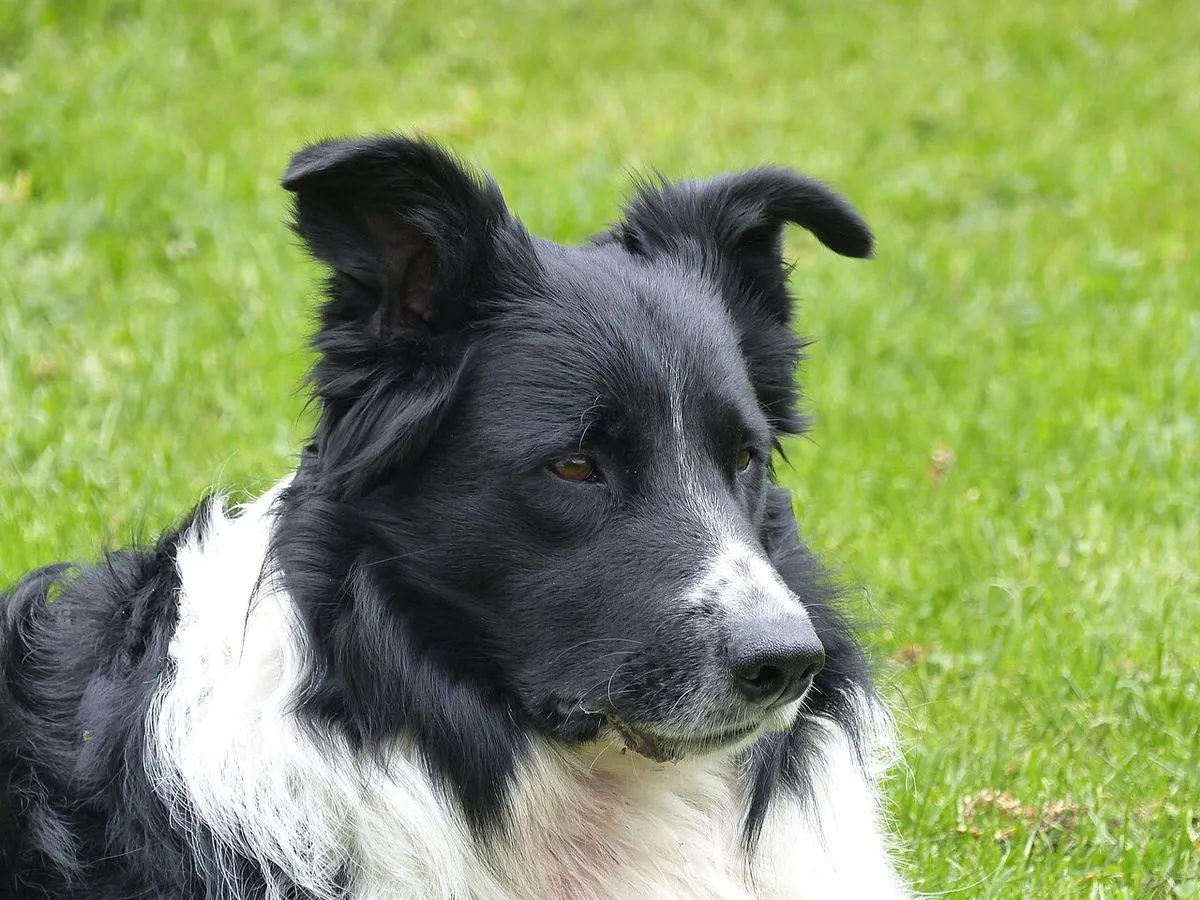
Border Collies were bred in the hill country of Scotland and northern England to gather and move sheep all day, often far from the shepherd. That history explains almost everything about their personality. They notice everything, they want to act on it, and they look to you for direction.
These are the traits most owners see:
| Trait | What it looks like at home |
|---|---|
| Intelligent | Learns new cues in a few tries, and learns bad habits just as fast |
| Intense | Stares at a ball, a cat or a moving car with total focus |
| Work-driven | Gets restless and invents jobs when bored |
| Sensitive | Reacts to harsh words, loud noises and household tension |
| Loyal | Bonds tightly with family and often follows one person around |
| Reserved with strangers | Watches new people before warming up, rarely greets everyone like a Lab |
A Border Collie is a working dog first and a pet second. That doesn’t make them bad pets. It means their needs come from a job description, and you have to fill that job in some way.
Most of these traits trace back to the working sheepdogs described in Border Collie history.
Working Lines vs Show Lines
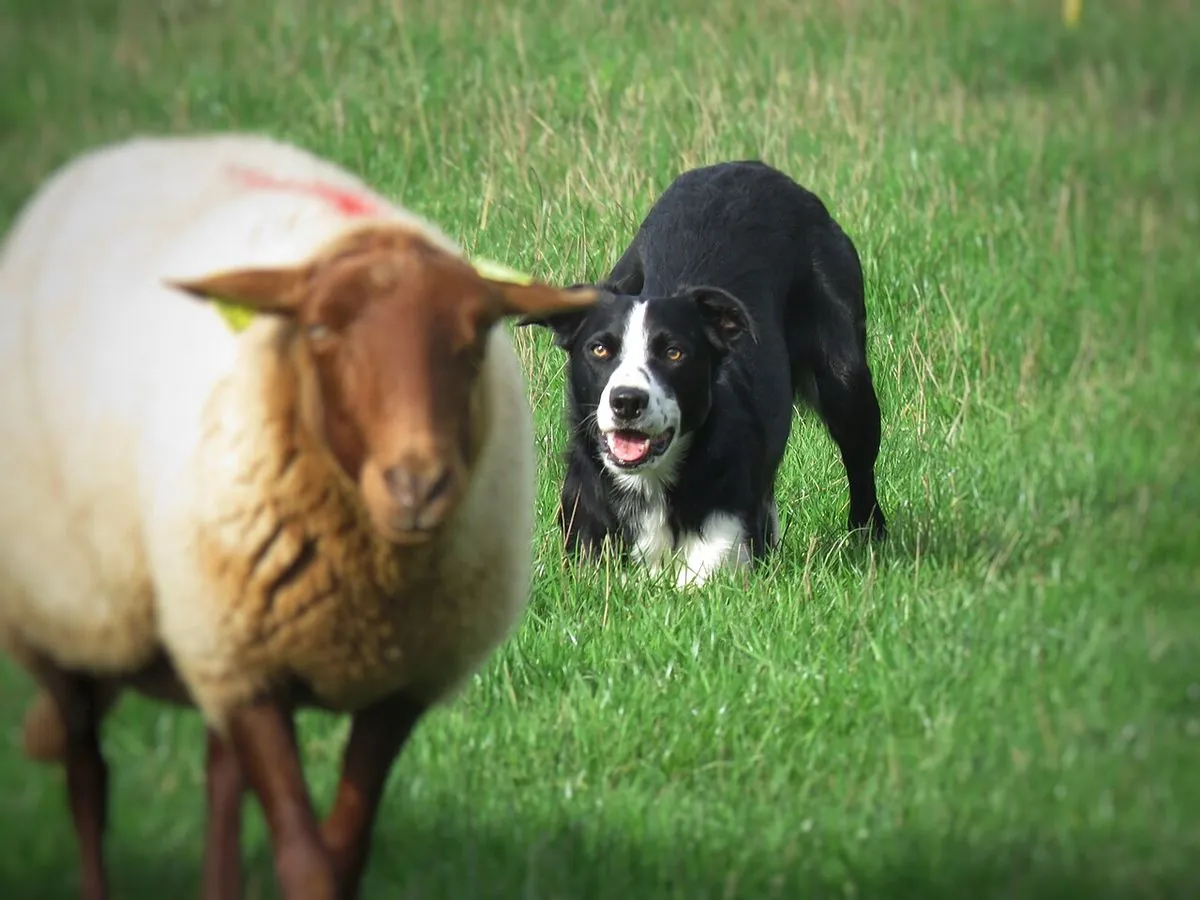
Not every Border Collie has the same engine. Dogs from working lines are bred for herding ability, and the Border Collie entry on Wikipedia notes that working dogs are judged by attitude and ability rather than looks. Show-line dogs are more uniform in appearance.
In general, working-line dogs tend to have more drive, more “eye” and less of an off switch. Show-line and pet-bred dogs are often a bit calmer, though plenty of them still need a lot of activity. If you are buying a puppy, ask the breeder what the parents do all day. That tells you more than any breed description.
How the Herding Instinct Shows Up at Home
The herding instinct doesn’t switch off because there are no sheep. It moves onto whatever is available, which might be kids, cats, bikes, cars or the vacuum cleaner.
Here is how it usually looks:
- The eye: a fixed, intense stare at something the dog wants to control. Working Border Collies use this stare to move sheep.
- Stalking: a low crouch and slow creep toward a target, often a ball or another dog.
- Chasing: a strong pull toward anything that moves fast, including joggers, bikes and cars.
- Nipping: quick nips at heels or ankles, which is how some herding dogs turn livestock.
- Motion and noise sensitivity: startling at sudden sounds or fixating on lights, shadows and flies.
Some of this is fine. A dog that stares at a ball before you throw it is just being a Border Collie. Chasing cars and nipping people are different, and you should redirect them early with training and outlets like fetch, flirt poles and herding games. The herding and nipping fixes are covered step by step in Border Collie training.
Are Border Collies Good With Kids?
Border Collies can be good with kids, especially older, calm children who follow simple rules. They are a harder fit for homes with toddlers or very young kids. Running, shrieking children trigger the herding instinct, and a Border Collie may circle, bump or nip at their heels. Adult supervision is a must.
So are Border Collies good family dogs? For an active family with school-age kids who like to play fetch and help with training, they often are. For a busy family with a baby, a toddler and little free time, a calmer breed is usually a safer choice.
Teach your kids these rules from day one:
- Don’t run and scream around the dog. Walk, or play a structured game like fetch.
- Never chase the dog or grab its tail, ears or collar.
- Leave the dog alone when it is eating, sleeping or in its crate.
- If the dog starts herding or nipping, stand still like a tree and call an adult.
And always supervise young children with any dog. Even a gentle Border Collie can nip when it gets overexcited.
Are Border Collies Good With Other Dogs and Cats?
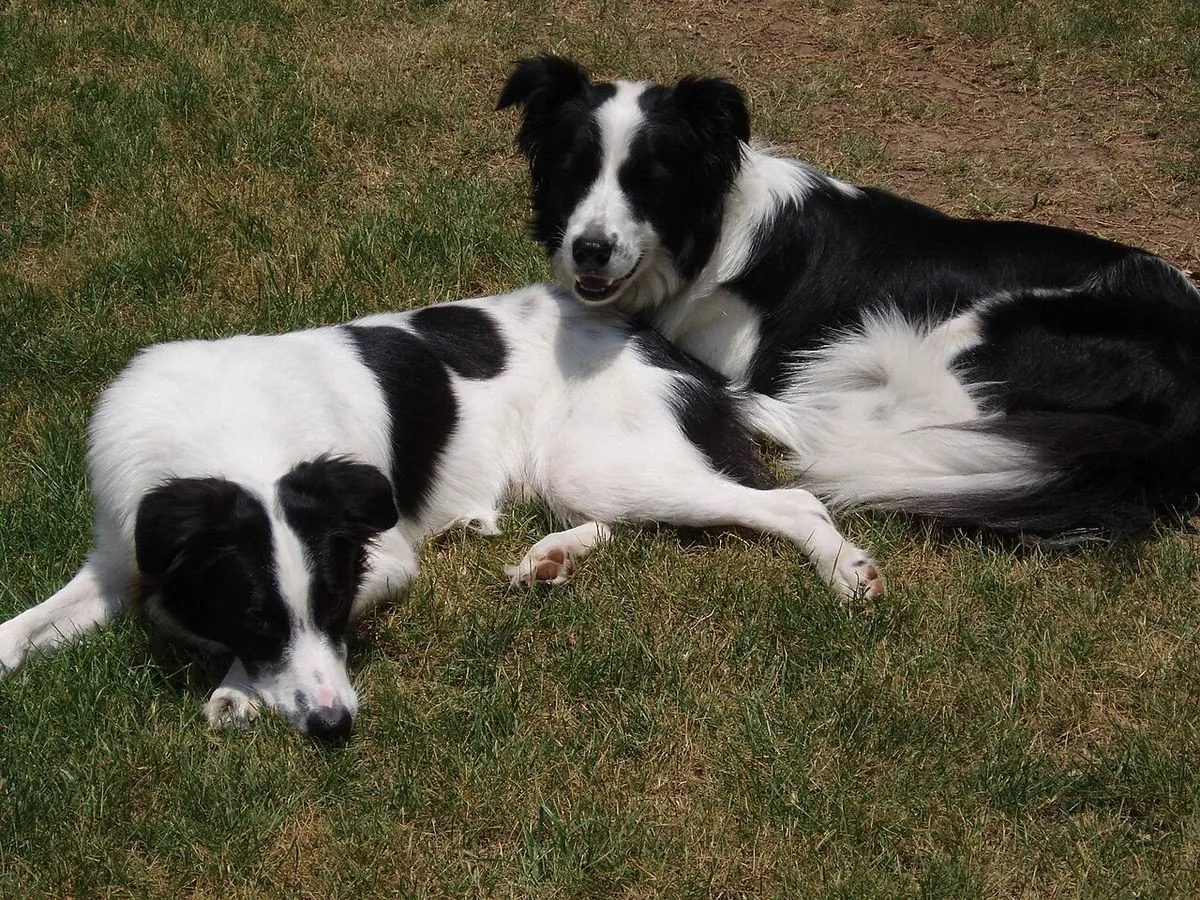
Most Border Collies do fine with other dogs when they are socialized as puppies. Some are bossy in play and try to herd or “control” other dogs at the park, which not every dog appreciates. A calm, well-matched second dog can be good company, but it won’t replace the exercise and attention your Border Collie needs from you.
Cats are trickier. Many Border Collies live happily with cats, especially if they grow up together. Others stalk and stare at the cat all day, which stresses the cat even if the dog never touches it. Introduce them slowly, give the cat high places to escape to, and interrupt staring before it turns into chasing.
Are Border Collies Affectionate?
Yes. Border Collies are affectionate, though their style is different from a lap dog’s. Many are “velcro dogs” that follow you from room to room, lie near your feet and watch your every move. Some love to cuddle on the couch, while others prefer to show affection by working or playing with you.
They often bond most strongly with one person, usually the one who trains and exercises them. That attachment is part of the appeal, but it also means some Border Collies struggle when left alone for long hours. Build up alone time gradually from puppyhood so your dog learns that you always come back.
Sensitivity, Noise Fears and Anxiety
Border Collies are sensitive dogs. Harsh corrections can make them shut down or become anxious, which is one reason reward-based training works so much better with this breed.
Noise sensitivity is also common. In a 2016 study of noise reactivity in three working breeds, owners reported fewer Border Collies (26 of 81) as never reacting to noises like guns, storms and fireworks than Australian Shepherds or German Shepherds. A large 2020 study of 13,700 Finnish pet dogs found that Border Collies had a very high rate of compulsive staring and fly snapping, with moderate levels of other anxiety traits.
Watch for trembling, pacing, hiding or panting during storms and fireworks. Mild fears often improve with a safe den, background noise and slow desensitization. If your dog panics, talk to your vet. Severe noise fear is treatable, and there are medications and behavior plans that help.
When Do Border Collies Calm Down?
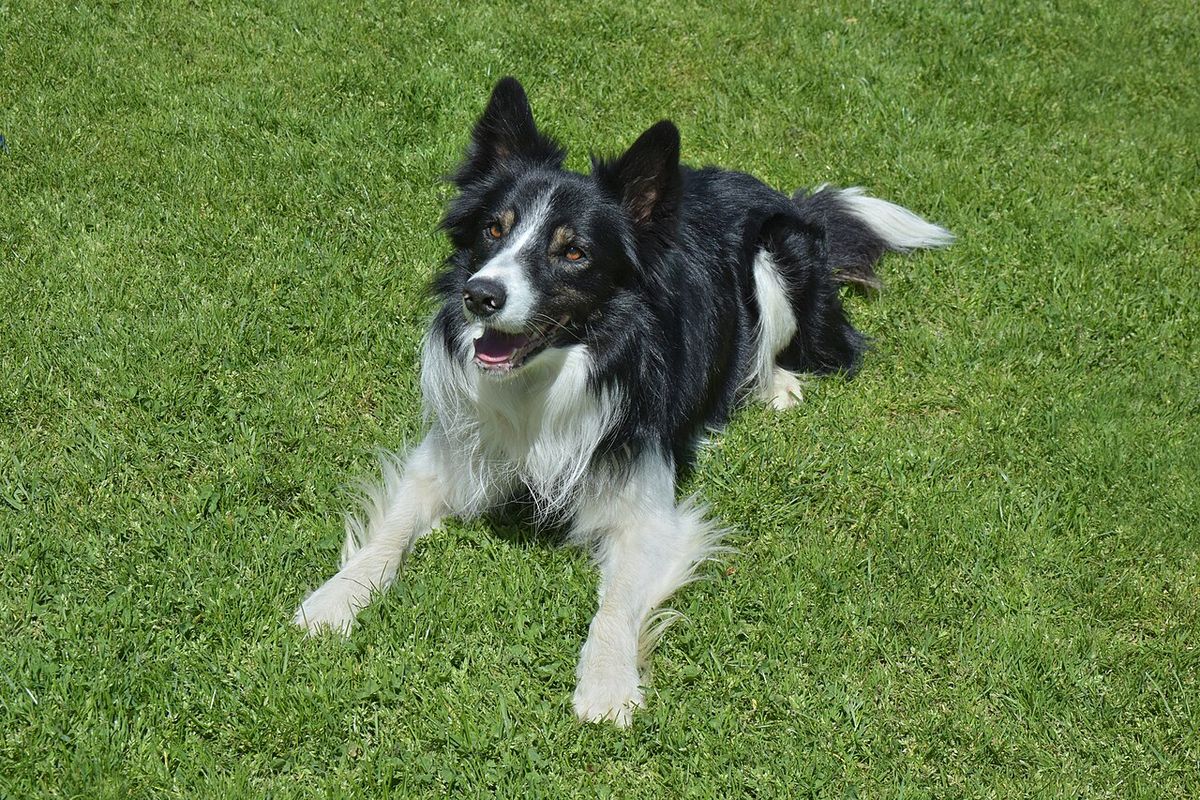
Many Border Collies settle noticeably somewhere between two and four years old, as they leave adolescence behind. But age alone won’t do it. A Border Collie that gets enough exercise and mental work will be calm much sooner than one that sits in the yard all day, and an under-exercised adult can stay wild for years.
There is no set birthday when a Border Collie becomes calm. Working-line dogs may stay high-energy well into middle age. What changes as they mature is usually focus and self-control, not the need for activity.
To help your dog settle:
- Give daily physical exercise that fits its age. See how much exercise a Border Collie needs for realistic numbers.
- Add mental work every day: training sessions, puzzle toys, scent games and tricks.
- Teach an “off switch” by rewarding calm behavior, like lying on a mat while you eat.
- Keep a predictable routine. Border Collies relax when they know what comes next.
A tired, mentally satisfied Border Collie is a calm Border Collie. That’s true at 18 months and at 8 years.
Male vs Female Border Collie Temperament
Differences between male and female Border Collies are small, and individual personality matters far more than sex. Owners often describe males as a bit more goofy and slower to mature, and females as a bit more independent and serious, but plenty of dogs break that pattern.
Breeding line, socialization and training will shape your dog’s temperament much more than whether it is male or female. Pick the puppy or rescue whose energy and personality fit your home.
Common Border Collie Behavior Problems and How to Prevent Them
Most Border Collie behavior problems come from boredom, too little exercise or a lack of rules. The dog has energy and brains, and if you don’t give it a job, it finds one.
Common problems include:
- Herding and nipping people, especially kids and visitors
- Chasing cars, bikes and joggers
- Obsessive staring at lights, shadows or other pets
- Destructive chewing and digging
- Barking at noises and movement (see do Border Collies bark a lot)
- Anxiety when left alone
Prevention is simpler than cure:
- Socialize your puppy early with people, dogs, sounds and places.
- Meet its exercise needs every day, not just on weekends.
- Give it daily brain work, like training, sniffing games and puzzle toys.
- Use reward-based training and stay consistent with the rules.
- Redirect herding onto toys and games before it becomes a habit.
- Call a qualified trainer or veterinary behaviorist early if a problem keeps growing.
Myths About Border Collies
Border Collies have a big reputation, and not all of it is accurate. Here are the myths that cause the most trouble for new owners.
Myth: They Need a Farm
A Border Collie doesn’t need sheep or acres of land. It needs daily exercise, mental work and an owner with time. Plenty of Border Collies thrive in suburbs and cities, and some even do well in small homes. Living with Border Collies in apartments takes planning, but it can work.
Myth: They’re the Smartest, So They’re Easy
Being smart doesn’t make a dog easy. Border Collies learn fast, but they learn your mistakes just as fast. They also figure out how to open gates, steal food and train you to throw the ball. A smart dog with nothing to do is often harder to live with than an average one.
Myth: They’re Hyper Forever
Border Collies are energetic, but a well-exercised adult can be calm and quiet in the house. The “hyper” reputation often comes from dogs that don’t get enough to do. With the right routine, most learn to settle.
Myth: They’re All Black and White
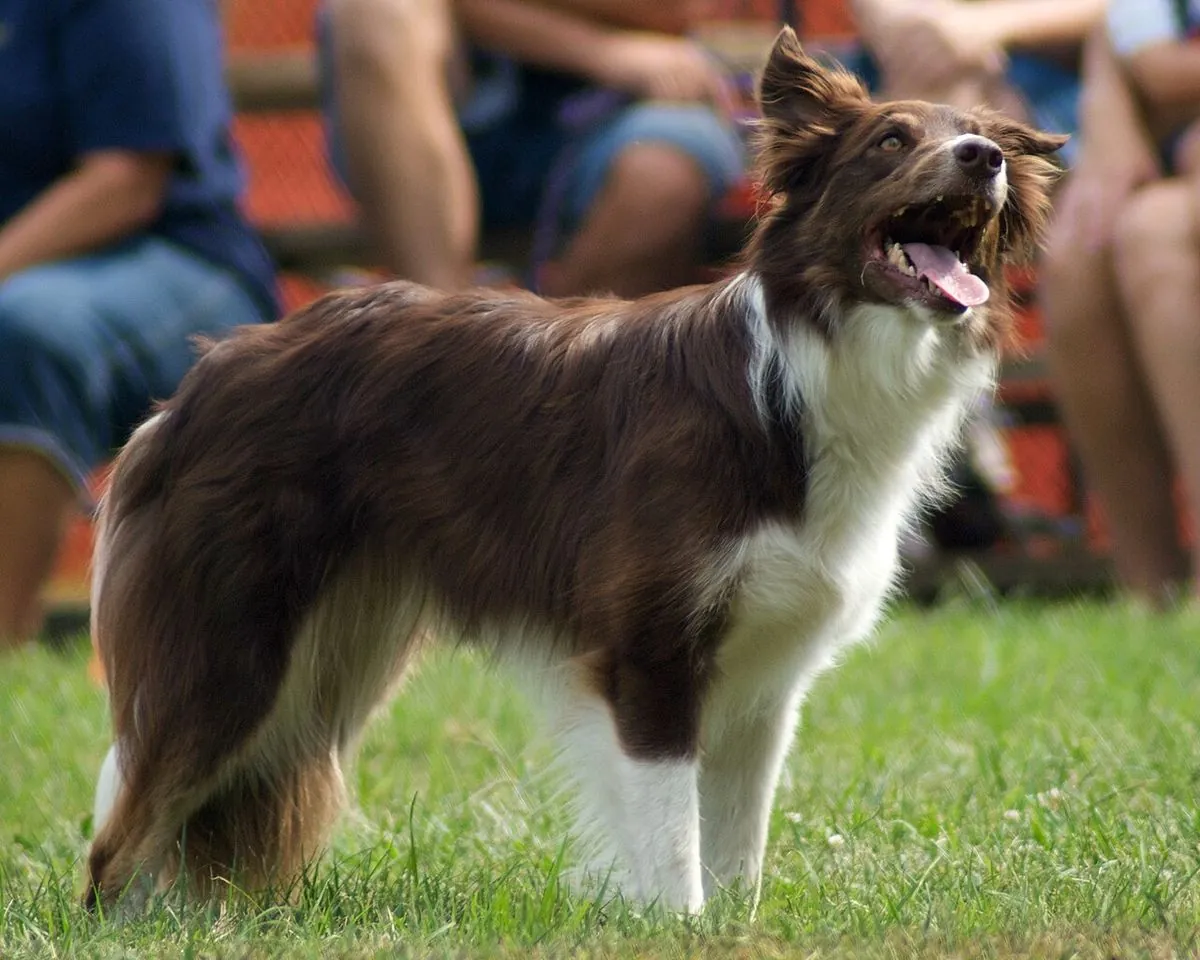
Black and white is the most common color, but Border Collies come in many colors and patterns. Red, blue merle, red merle, tricolor, brindle and sable are all part of the breed. Color says nothing about temperament.
Myth: They’re Aggressive
Border Collies are not an aggressive breed. Herding nips and reserved behavior with strangers are sometimes mistaken for aggression. Like any dog, a poorly socialized or fearful Border Collie can bite, so early socialization and good training matter. If your dog shows real aggression, talk to your vet and a qualified behavior professional.
Who Should and Shouldn’t Get a Border Collie
A Border Collie is a good fit if you:
- Enjoy daily exercise like running, hiking or long walks
- Like training and want to try dog sports such as agility, herding or flyball
- Have time each day for play and brain games
- Live with older kids, or no kids, and can supervise interactions
You may want a different breed if you:
- Work long hours and the dog would be alone most of the day
- Have toddlers and little free time
- Want a low-key dog that is happy with a short walk
- Prefer a dog that greets every stranger with a wagging tail
If you are new to dogs, read whether a Border Collie makes a good first dog before you decide. If you are torn between two herding breeds, the Border Collie vs Australian Shepherd comparison lays out how they differ.
Border Collie Temperament FAQ
Are Border Collies Good Family Dogs?
Border Collies are good family dogs for active households with older, calm children. They bond closely with their family and love to play and learn. They are a harder fit for homes with toddlers, because the herding instinct can lead to circling and nipping, and they need daily exercise that busy families may not have time for.
Do Border Collies Bond With One Person?
Many Border Collies bond most closely with one person, usually whoever trains, feeds and exercises them most. They still love the rest of the family and can be affectionate with everyone. Sharing training and walks among family members helps the dog stay connected to the whole household instead of just one favorite.
Are Border Collies Protective?
Border Collies are watchful and alert, but they are not a guarding breed. Most will bark to tell you something is happening and then stay reserved around strangers. They are not bred to confront people, so don’t expect protection work from one. Early socialization keeps that watchfulness from turning into fear or reactivity.
Are Border Collies Smart?
Border Collies are widely considered one of the most intelligent dog breeds. They pick up cues quickly, read body language well and solve problems on their own. That intelligence needs an outlet, though. Without daily training and mental work, a smart Border Collie often channels its brains into chewing, barking and escaping.
How Is a Border Collie’s Personality Different From an Australian Shepherd’s?
Both are smart, high-energy herding dogs. Border Collies tend to be more intense and focused, with a strong herding stare, and can be more sensitive to noise and pressure. Australian Shepherds are often a bit more outgoing and goofy with their family. Individual dogs vary a lot within both breeds, so meet the parents if you can.