This is Part 1 of our series on adopting a Border Collie.
The Border Collie supplies you need on day one are short: a collar with an ID tag, a 6-foot leash, a front-clip harness or head collar, food and water bowls, the food your dog already eats, poop bags, a crate, a bed, a few sturdy toys, and a good brush. Everything else can wait until you know your dog.
Most of these items are the same for any dog. What changes with a Border Collie is how much they get used. A dog this smart and this busy needs gear that holds up to pulling, chewing, fetching, and a lot of time outdoors.
This post contains affiliate links. If you buy through them, ColliePoint may earn a small commission at no cost to you.
What Do Border Collies Need? A Quick Checklist
A new Border Collie needs ID, a way to walk safely, a place to eat, a place to sleep, something to chew and chase, and basic grooming tools. The table splits the list into what you need on the first day and what can wait a week or two.
| Item | Why your Border Collie needs it | When to buy |
|---|---|---|
| Flat collar and ID tag | Holds the tag with your phone number | Day one |
| Microchip registration | A chip only helps if it lists you | Day one |
| Front-clip harness or head collar | Gives you control while you teach leash manners | Day one |
| 6-foot leash | Standard length for walks and training | Day one |
| Food and water bowls | Stainless steel is easy to clean | Day one |
| Current food | Keeps the stomach settled during the move | Day one |
| Poop bags | Every walk | Day one |
| Crate | Safe spot for sleep, car rides and alone time | Day one |
| Dog bed | A spot of their own off the couch | First week |
| Ball, disc and tug toy | Outlets for a herding dog’s drive | First week |
| Slicker brush or deshedding tool | Double coat care | First week |
| Car restraint | Keeps your dog in place on the drive | Before the first long drive |
I remember when I first got my Border Collie. We weren’t sure the adoption would work out, so when it did, we stopped at the pet store on the way home and bought everything then. If you’re sure, buying ahead makes that first evening calmer.
Collar, ID Tag and Microchip
Every Border Collie needs a flat buckle or snap collar with an ID tag that shows your phone number. Add the rabies tag and any local license tag your county requires. The collar is for ID, not for training a dog that pulls.
If your rescue dog came microchipped, transfer the registration into your name the first week. Many microchipped strays never make it home because the registry has old or missing details.
A 2009 study of 7,704 microchipped animals in 53 U.S. shelters found that shelters reached the owners of 74.1% of the stray dogs. When they couldn’t, the top reason was a wrong or disconnected phone number (35.4% of failures). Keep that number current every time you move or change phones.
Best Harness for a Border Collie
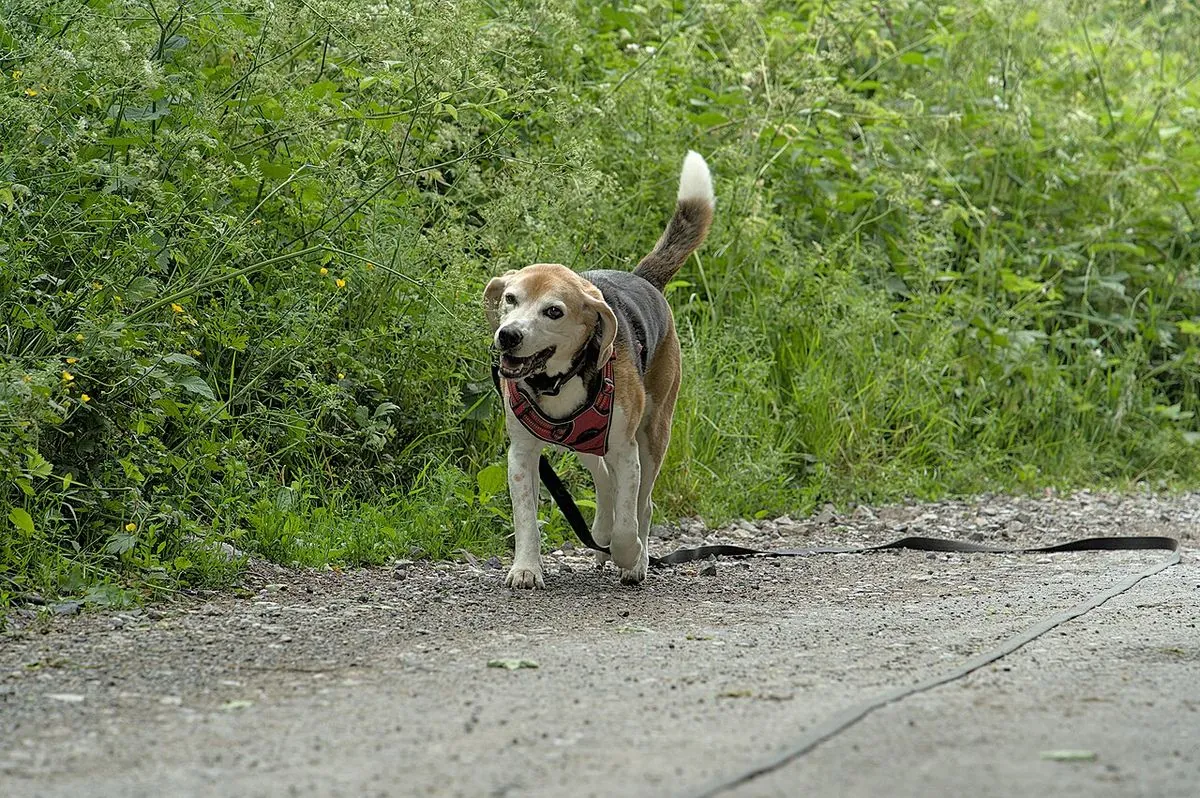
The best harness for most new Border Collies is a front-clip (no-pull) harness. The leash attaches at the chest, so when your dog pulls, the harness turns them back toward you instead of letting them lean in. A head collar works too, and a padded back-clip harness is fine once leash manners are solid.
The Ruffwear Front Range harness is a good everyday pick. It’s padded and reflective, with a leash attachment on the chest for pulling and one on the back for calm walks.
Front-Clip No-Pull Harness
A no-pull harness has a padded body like any other harness but puts the leash ring in front of the chest. Back clips can work like a sled harness and make pulling easier. A front clip turns your dog to the side when they lunge, which interrupts the pull without any pressure on the neck.
To size one, measure around the widest part of your dog’s rib cage, just behind the front legs, and use the brand’s size chart. You should fit two fingers under the straps.
Head Collar
A head collar loops over your dog’s snout and behind the ears. When your dog pulls hard, it gently turns their head back toward you, which helps refocus them off the distraction. It doesn’t cover the mouth like a muzzle, so your dog can still pant, drink and take treats.
The PetSafe Gentle Leader head collar is one I’ve used many times and would recommend if you want to go this route. Introduce it slowly with treats. Many dogs paw at it for the first few days, and you should never jerk the leash while your dog wears one.
Padded Back-Clip Harness
A padded harness is less of a collar and more of a jacket for your dog. Most clip at the back. It’s comfortable and good for hiking, but it gives you little control over a strong puller. Save it for a Border Collie that already walks well on a loose leash.
Martingale and Prong Collars
A martingale is a limited-slip collar. It tightens a set amount when the dog pulls, then stops, so a dog can’t back out of it. That makes it useful for dogs whose heads are narrower than their necks, but it doesn’t teach anything on its own.
A prong collar is a chain collar with metal prongs that press into the neck when the dog pulls. Some people swear by them. I’m not a fan; they make me feel bad for the dogs wearing them. A front-clip harness and some patient Border Collie leash training get you there without the pain.
Leash: Keep It Simple
A plain 6-foot nylon or leather leash is all you need at first. Skip retractable and bungee leashes. They reward pulling, they’re hard to reel in fast near traffic, and the thin cord can burn hands and legs.
Later, a 15- to 30-foot long line is handy for practicing recall in an open field. Pick a leash you like the color of that’s long enough but not too long, and move on to the more important stuff.
Food and Water Bowls
All you need at first is a simple stainless steel food bowl and water bowl. Steel doesn’t crack, holds up to a chewer and goes in the dishwasher. Amazon Basics stainless steel bowls have a rubber base that keeps them from sliding around the floor.
You won’t know your dog’s eating habits right away, so hold off on special bowls. If your Border Collie turns out to eat at the speed of light, get a slow-feeder bowl later. A fountain is fine too if that’s how you roll.
Make the water bowl big enough that you aren’t refilling it all day, but small enough that the water gets changed before it goes stale. Put a mat under both bowls. Dogs aren’t graceful drinkers, and without one your floor will get soaked.
Food and Treats
Start with whatever food the rescue, foster or breeder was feeding, even if you plan to change it. A new home is stressful enough, and a sudden food switch often means an upset stomach. Once your dog settles in, move to a new food slowly over about a week.
Choosing the food itself is a bigger topic. Our Border Collie food guide covers how to read the AAFCO statement, how much to feed, whether grain-free makes sense and the best treats for Border Collies. If you’re bringing home a puppy, it also covers puppy food and a feeding schedule.
Border Collies love treats, and you’ll use a lot of them in training. The treats I like best are real meat jerky, dehydrated treats and fruits and vegetables. Out of all of them, baby carrots are my favorite. My Border Collie loved them as much as any other treat, they’re far cheaper, and I cut each one into small pieces so the bag lasts even longer.
Crate
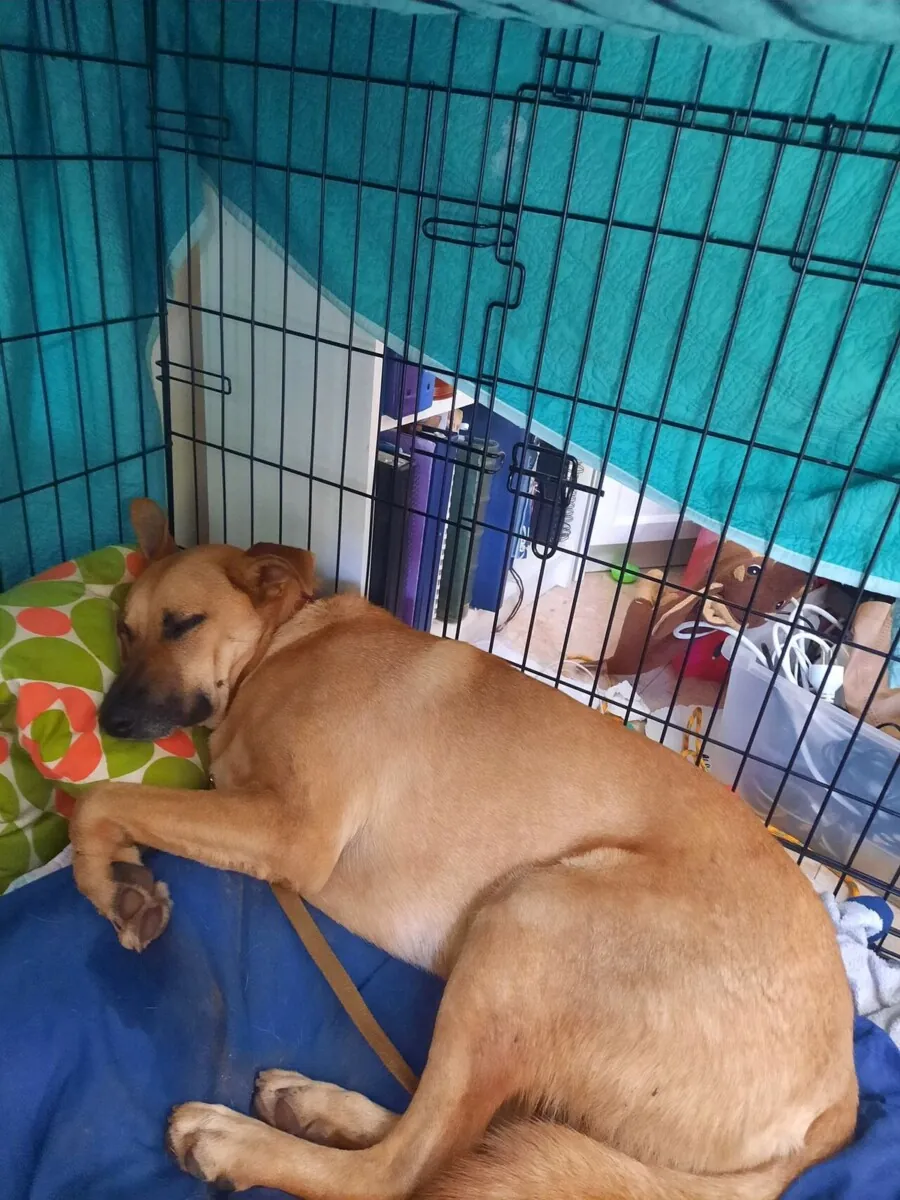
A crate is worth buying for almost every new Border Collie, puppy or adult. It’s a safe place to sleep, a way to keep a new dog out of trouble while you’re out, and the safest way to carry a dog in the car.
Pick a crate your dog can stand up, turn around and lie down in comfortably. A wire crate with a divider panel lets you shrink the space for a puppy and open it up as they grow.
Taught well, the crate becomes a den, like a bedroom for a child. Make it a good place with meals, chews and a soft blanket. Never use it as punishment, and don’t leave a dog in it for most of the day.
Dog Bed
A dog bed gives your Border Collie a place to call their own, somewhere to go for rest and alone time. It also teaches them they don’t need the couch to get comfortable, and it’s cleaner and softer than the floor.
Dog beds come in donut, rectangle, orthopedic memory foam, raised cot and heated styles. For a medium-size dog that sheds, a bed with a removable, washable cover saves a lot of work. The PetFusion Ultimate Dog Bed is orthopedic memory foam with a waterproof cover.
If you’re not sure which type fits your dog, we compare them in our guide to the best dog beds for Border Collies.
Toys for a New Border Collie
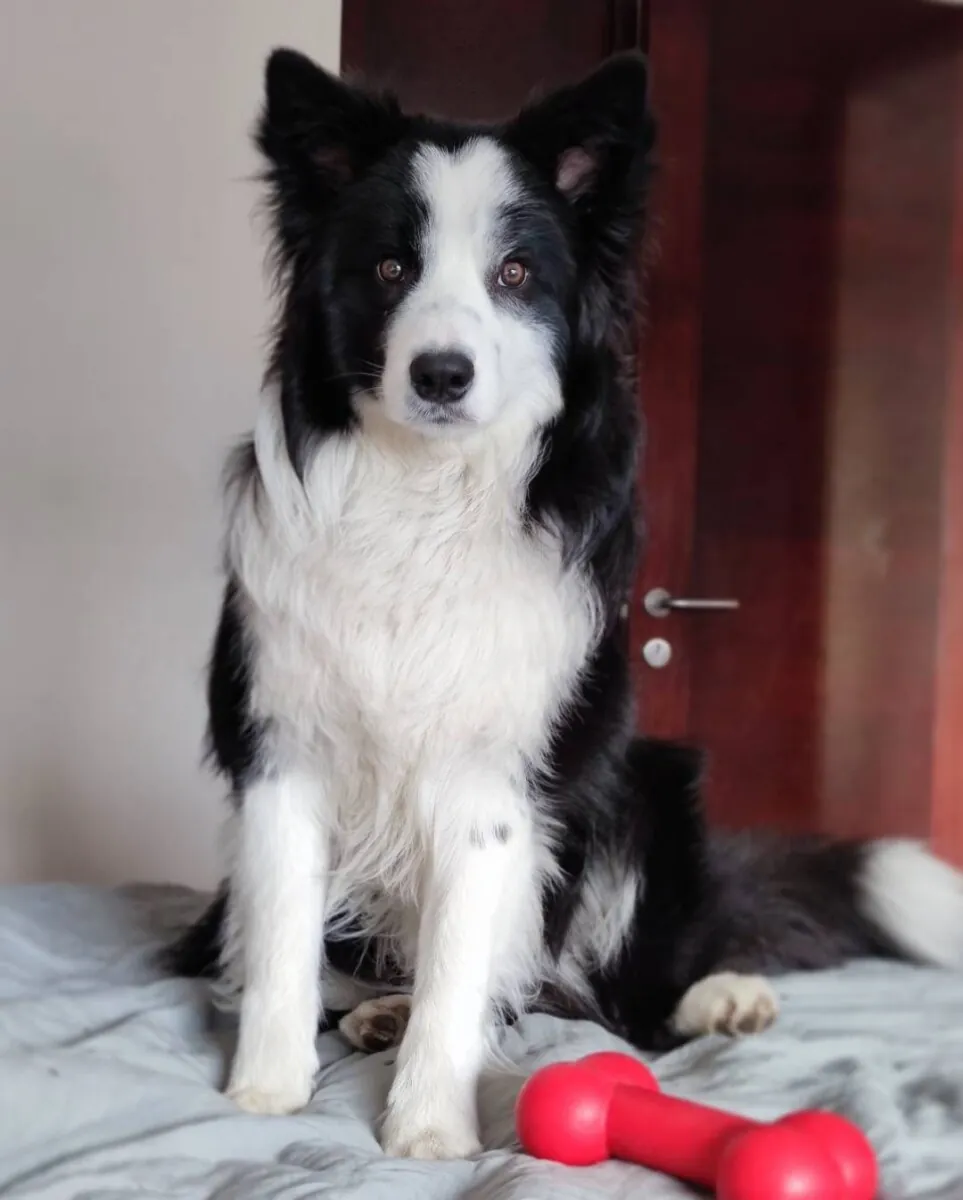
Start with three kinds of toys: something to chase, something to tug and something to chew or puzzle over. Border Collies were bred to work all day, and toys give that drive somewhere to go besides your shoes.
- A fetch ball, like the Chuckit! ball. Mine would play fetch for as long as it took you to get tired and give up.
- A soft flying disc, like the Chuckit! Paraflight, which floats and is easier on teeth than a hard plastic frisbee.
- A rope or rubber tug toy. Tug was one of my Border Collie’s favorite games, and he’d pick the tug toy before any other toy we had.
- A treat-dispensing or puzzle toy to keep them busy when you aren’t home.
A plush toy is nice for a puppy to carry around and rest their head on. You’ll find out soon enough whether plush toys survive your Border Collie. For specific picks, see our guide to the best toys for Border Collies.
Grooming Supplies: Brush and Shampoo
A Border Collie needs a brush more than anything else in the grooming kit. Their double coat sheds year round and heavily during seasonal blowouts, so brushing a few times a week keeps hair under control and spreads the natural oils through the coat.
My favorite brush has always been the FURminator deShedding Tool. I’ve tried a lot of brushes and none of them compare. Every time I used it, I ended up with a huge pile of hair that seemed to come from nowhere, because it reaches the undercoat and not just the top coat. Go easy with it and don’t brush one spot too long, since the blade can irritate skin.
Baths matter less. Most Border Collies only need one every few months, or when they roll in something. Use a shampoo made for dogs, without heavy fragrance or dyes, and something gentle if your dog has sensitive skin. Our guides to the best shampoo for Border Collies and Border Collie shedding go deeper.
Poop Bags
Buy poop bags in bulk. They’re cheap that way, and a roll dispenser clips right onto your leash. I prefer the Amazon Basics poop bags with dispenser and leash clip. A big box lasts many months.
Don’t be one of those people who walk to the park just to stock up on free bags from the dispenser.
Car Safety: Seat Belt Harness or Crate
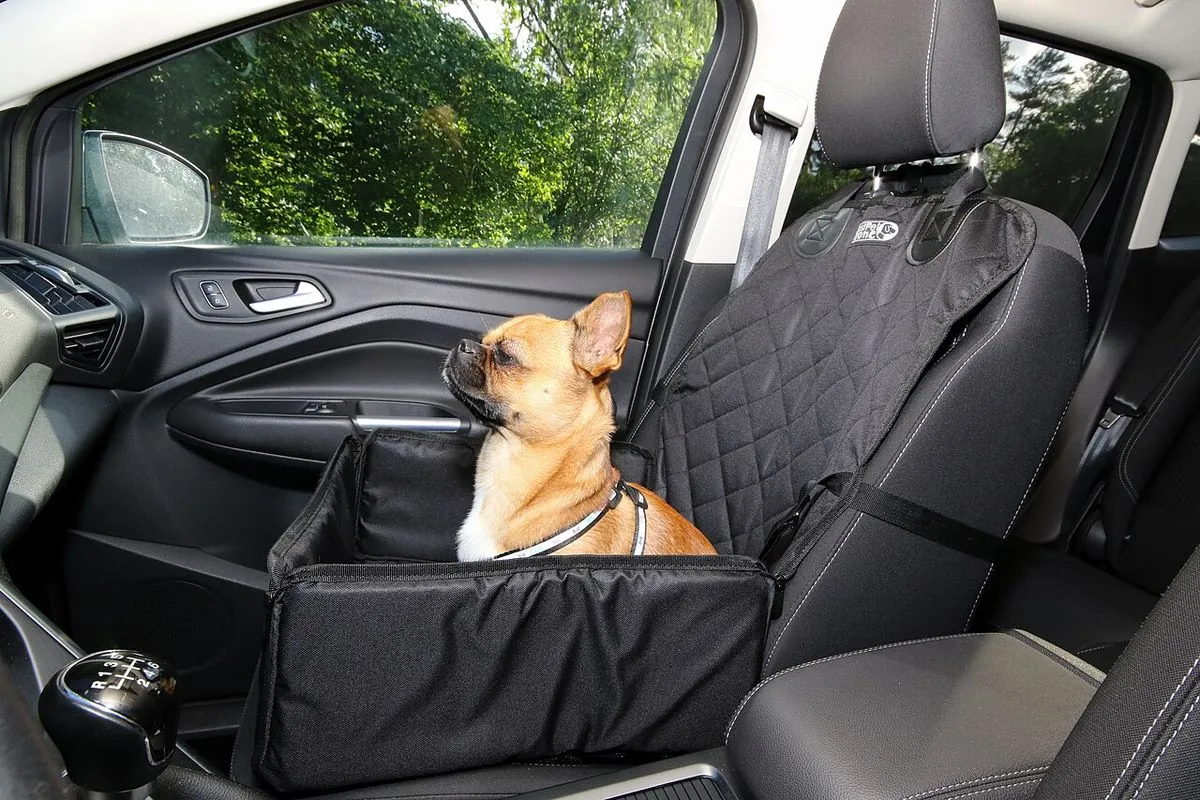
Your Border Collie needs some kind of restraint in the car. A loose dog can distract the driver, get thrown in a sudden stop and bolt out the door after a crash. Like people, dogs can be badly hurt or killed in a car accident.
A seat belt tether clips to the back of a harness on one end and to the car’s seat belt buckle on the other. Vastar dog seat belt leads are a simple version that keeps your dog in the back seat and away from the driver. Clip it to a harness, never a collar.
Know what a tether can and can’t do, though. In the Center for Pet Safety’s 2013 harness crash test study, only one of the harnesses tested passed. For real crash protection, look for a restraint certified by that group, or use a sturdy crate secured in the cargo area. A crate is more hassle, but it protects your dog and keeps them contained if they panic after an accident.
Supplies for a Border Collie Puppy vs. an Adult Rescue
The core list is the same for any age. A puppy adds a few things: a crate divider, puppy pads or an enzyme cleaner for accidents, baby gates, soft chews for teething and a collar you’ll replace as they grow. Our Border Collie puppy guide covers the first week home, puppy essentials and feeding by age.
An adult rescue may come with quirks you only learn after a few weeks, like fear of the car, a habit of pulling or a strong chase instinct. Buy the basics first and hold off on pricey extras until you know what your dog actually needs.
What a Border Collie Needs Besides Supplies
The most important things a Border Collie needs can’t be bought: exercise, training, a good vet and your time. A bored Border Collie will find its own job, and you probably won’t like the one it picks.
- Daily physical and mental exercise. Most adults need about two hours of exercise and brain work every day. See how much exercise a Border Collie needs.
- Training from day one, with short, upbeat sessions and lots of rewards.
- A vet visit in the first week or two to check vaccines, the microchip and overall health.
- A safe home. That’s Part 2 of this series.
Where to Buy Border Collie Supplies
Online is the easiest way to get most of this list. I’m a big fan of Amazon because it’s fast and you can shop from home. You can even set up repeat deliveries for food and poop bags so you never run out.
If you’d rather shop in person, a local pet shop or a big box pet store will have nearly everything here. Specialty foods are the one thing that can be hard to find locally, so check before you switch brands.
Border Collie Supplies FAQ
What should I buy for my new Border Collie?
Buy a collar with an ID tag, a 6-foot leash, a front-clip harness or head collar, stainless steel bowls, the food your dog already eats, poop bags, a crate and a bed. Add a ball, a tug toy, a puzzle toy and a brush in the first week. Wait on extras until you know your dog’s habits.
Is a collar or harness better for a Border Collie?
Use both. A flat collar carries the ID tag, and a front-clip harness is better for walks, especially with a dog that pulls. Clipping the leash to a harness takes pressure off the neck. Once your Border Collie walks nicely on a loose leash, a comfortable back-clip harness works well for everyday walks.
What size harness does a Border Collie need?
Measure around the widest part of the rib cage, just behind the front legs, and match that number to the brand’s size chart. Sizes vary a lot between brands, so go by the measurement rather than the size label. A good fit lets you slide two fingers under each strap.
What size crate does a Border Collie need?
Your Border Collie should be able to stand up, turn around and lie down stretched out in the crate. Measure your dog from nose to the base of the tail and add a few inches. For a puppy, buy the adult size and use a divider panel so the space grows with them.
What accessories does a Border Collie need?
Beyond the basics, the most useful Border Collie accessories are a long training line, a puzzle feeder, a flying disc and a car restraint. A deshedding tool helps a lot during heavy shedding seasons. Fancy extras like dog clothes or fountains are optional and can wait until you know what your dog enjoys.
Part 2: Dog-Proofing Your Home
Once you have the essentials, Part 2 walks through dog-proofing your home room by room. You can find every part of the series in our guide to adopting a Border Collie.
Hey! Just got my 2month old border beauty home a couple of nights ago but I can’t seem to notice when he gets up to pee at night, is a cat collar (the one with the bell) a good option for a Border Collie?
Do you have a dog door? I guess a cat collar could help if you’re trying to keep track of him. Or a cheap security camera like a Wyze camera? My BC is fine going to the bathroom before bedtime and not again until after I wake up!