
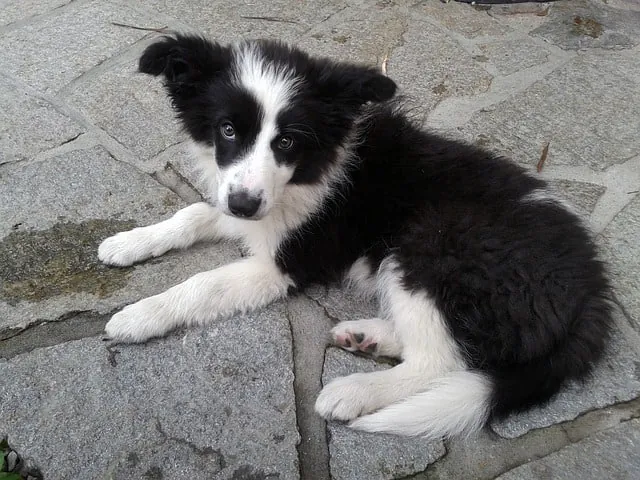
Adopting a Border Collie means taking on a smart herding dog that needs about two hours of exercise and brain work every day. Before you apply, make sure the breed fits your life. Then find a good rescue and plan for a slow first few months while your new dog settles in.
Bringing one home is one of the happiest days you’ll have as a dog owner. It’s also the day plenty of people get through the front door and realize they aren’t sure what to do next. That’s normal.
Border Collies take more time, work and money than most people expect. For the right owner, it’s worth every bit of it. The first half of this page covers the decision and the adoption itself, and the second half walks through the six-part series on life after you bring your dog home.
Is a Border Collie Right for You?

A Border Collie suits you if you’re active, home a fair amount, and enjoy training a dog. It’s a poor match if you want a dog that’s content with a short walk and a long nap.
The breed comes from the sheep country along the English and Scottish border, and a fit working Border Collie can run all day over rough ground. That drive doesn’t switch off because the dog now lives on a couch.
Energy is the first thing to be honest about. Plan on roughly two hours a day of walking, running, play and training combined. A bored Border Collie will find its own job, and you probably won’t like it: chewing, digging, barking or herding your kids.
Time matters just as much. Training and play happen every day, not on weekends only. If you work long hours away from home, line up a dog walker or daycare before the dog arrives.
Space helps, though a big yard isn’t required. A Border Collie can live happily in a small home if it gets enough activity outside. Read about Border Collies in apartments if that’s your setup, and check whether Border Collies bark a lot if you have close neighbors.
New to dogs altogether? Start with whether a Border Collie makes a good first dog. If you’re still unsure, the “Should I get a Border Collie?” quiz asks the questions a rescue will ask you anyway.
Where to Adopt a Border Collie
You can adopt a Border Collie from a breed-specific rescue or from a general animal shelter. Breed rescues work only with Border Collies and Border Collie mixes, so they know the breed and each dog in their care well.
Many breed rescues place dogs in foster homes instead of kennels. That helps you a lot. The foster can tell you how the dog acts with cats, kids, other dogs and strangers, and how it copes when left alone.
Local shelters take in Border Collies too, often listed as a “herding mix” or “collie mix.” To find groups near you, browse the Border Collie rescues by state and check their adoptable dogs often, since good matches go fast.
How the Adoption Process Works
Every rescue runs things a little differently, but most follow steps like these:
- You fill out an application about your home, work schedule, other pets and past dogs.
- A volunteer calls you, checks your references and may contact your current vet.
- The rescue does a home check, in person or by video, to look at fencing and living space.
- You meet the dog, often with any dogs you already have.
- You sign an adoption contract and pay the fee.
Adoption fees vary by group and region, so check each rescue’s website. The fee helps cover what the rescue already spent on the dog, which often includes vaccines, a microchip and spay or neuter surgery. Ask what’s included, and read the contract. Many rescues ask you to return the dog to them if things don’t work out, instead of rehoming it yourself.
Adopting vs Buying a Border Collie From a Breeder
Both routes can work. Adopting gives a dog a second chance and lets you meet an adult whose personality is already formed. A good breeder gives you a puppy with a known family history and health-tested parents.
| Adopting | Buying from a breeder | |
|---|---|---|
| Age | Mostly adults, sometimes puppies | Puppies |
| Personality | Known, especially from a foster home | Partly predicted from the parents |
| Health history | Often partial or unknown | Parent health tests, if the breeder does them |
| Upfront cost | Adoption fee | Usually a higher purchase price |
| Training | May have old habits to work on | Starts from zero, house training included |
| Wait time | Depends on which dogs are available | Many breeders keep waitlists |
A puppy needs far more supervision than most adult rescues, and you won’t know its adult energy level for a while. If you lean toward a puppy, the Border Collie puppy guide shows what the first year involves.
Questions to Ask the Rescue Before You Adopt
Nobody knows the dog better than the rescue and its foster family. Asking the right questions now saves you surprises later.
- Why was the dog surrendered or picked up?
- How does it act around other dogs, cats and children?
- Does it chase cars, bikes or joggers, or try to herd people?
- How does it handle being alone? Any signs of separation anxiety?
- Is it house trained and crate trained?
- Does it react to loud noises like thunder or traffic?
- What vet records and known health issues come with it?
- How much exercise has it been getting in foster care?
- What happens if the match doesn’t work out?
Notice how open the rescue is with you. A group that tells you about a dog’s quirks is setting you up to succeed. Be wary of one that only talks about the good parts.
The First 3 Days, 3 Weeks and 3 Months
Many shelters and rescues share a rule of thumb called the 3-3-3 rule. A newly adopted dog needs about 3 days to decompress, 3 weeks to learn your routine and 3 months to feel at home. Treat it as a rough guide, because some dogs settle faster and others take six months or more.
The First 3 Days
Expect a stressed dog. It may eat little, sleep a lot, hide, or seem strangely calm. Keep the house quiet, skip visitors and dog parks, stick to short walks, and give your dog a crate or quiet corner of its own.
The First 3 Weeks
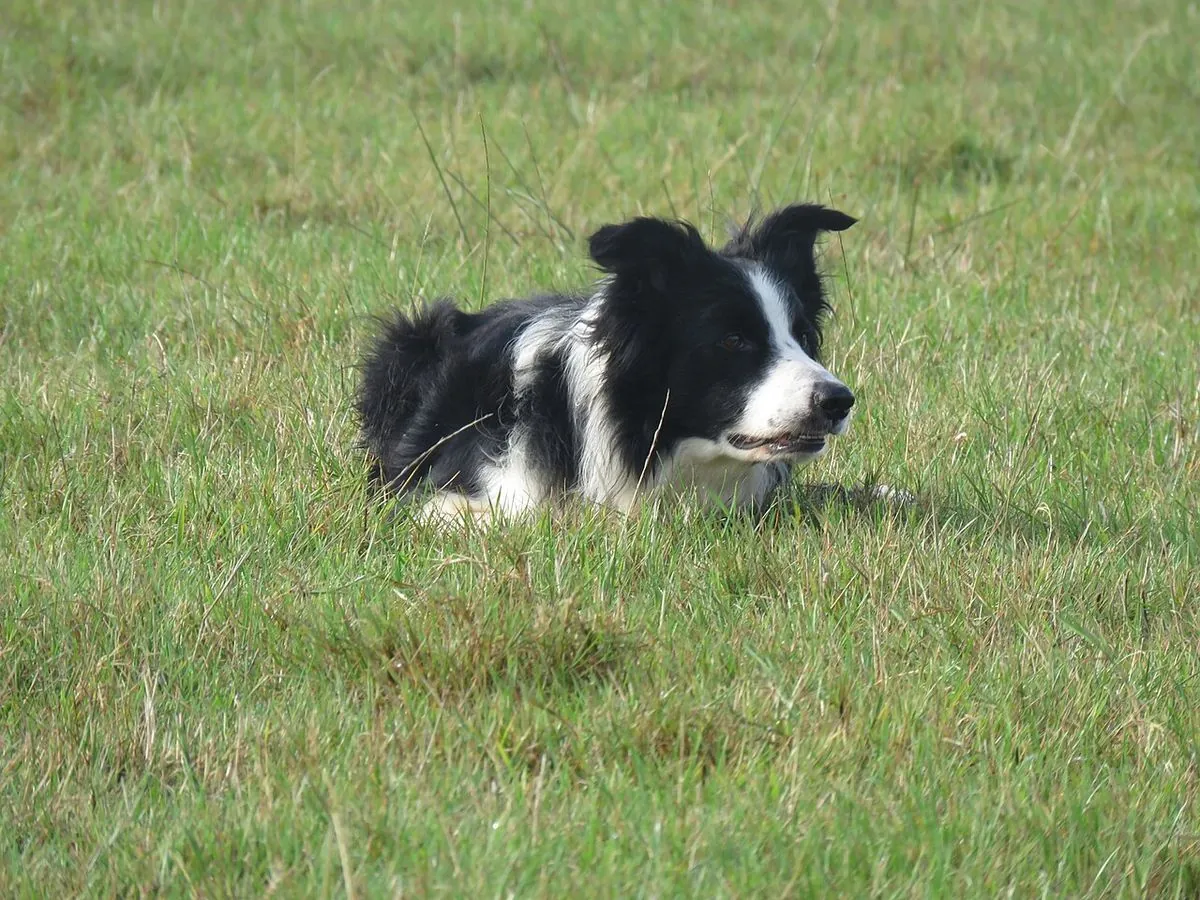
Your dog starts to relax and show its real personality, and it may test a few boundaries. Set a steady routine for meals, walks and bedtime now. Short, simple training sessions help you bond and show the dog what you expect.
The First 3 Months
By now most dogs trust their people and know the house rules. You can slowly add new places, people and dogs, and build up exercise and training as your dog shows it’s ready.
Many rescues give dogs a temporary name, and you’re free to change it. A dog can learn a new name with treats and repetition. If you need ideas, browse these Border Collie names.
The Adopted Border Collie Series
Once your dog is home, this series covers the practical side of owning a Border Collie one step at a time. Each part stands on its own, so start with whatever you need help with most.
Part 1: The Essentials
A collar, leash, bowls, crate, bed, toys and grooming supplies should be ready before your dog walks in. The essentials for a new Border Collie list everything to buy so you aren’t running to the store on day one.
Part 2: Dog-Proofing Your Home
A curious, nervous new dog will find the trash, the cords and the open gate. Part 2 goes room by room, from the kitchen to the backyard, to help you dog-proof your home before something gets chewed or a dog slips out.
Part 3: Get Ready to Exercise
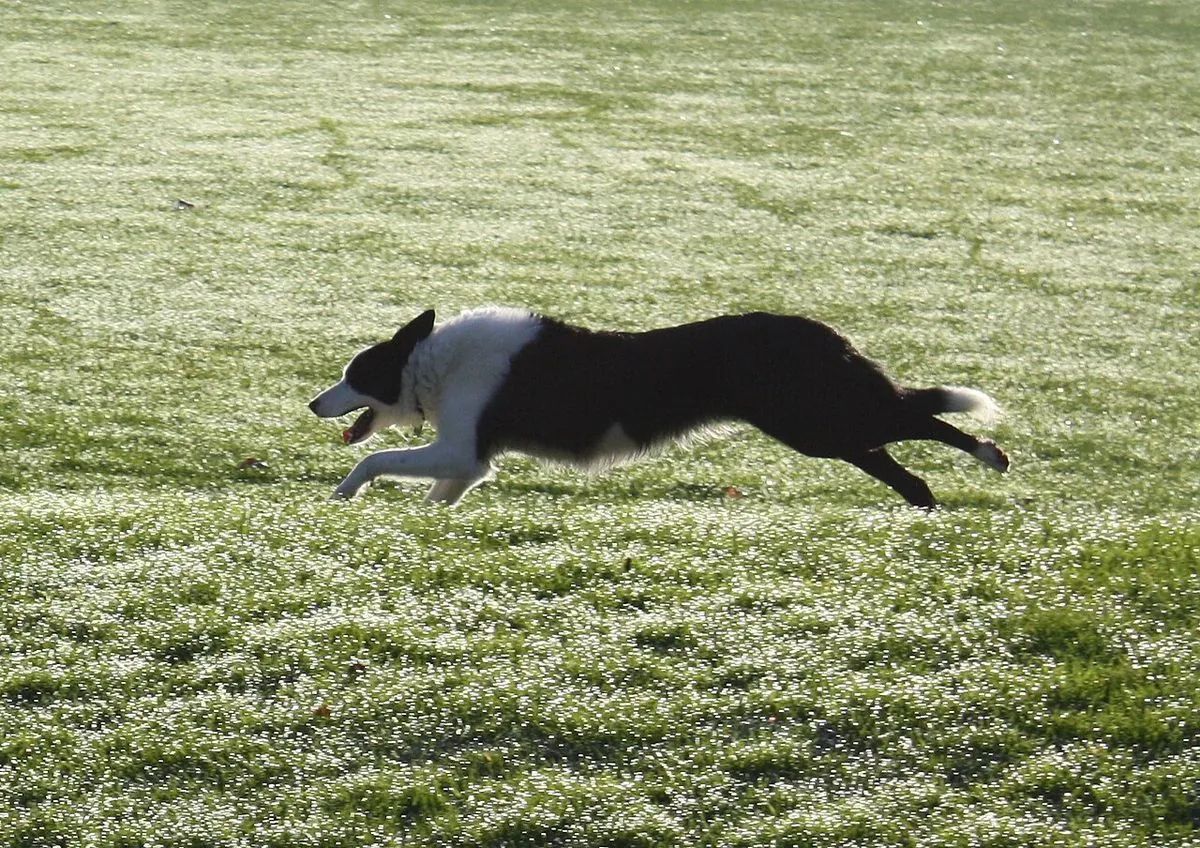
Exercise is the part new owners underestimate most. Find out how much exercise a Border Collie needs and how to mix physical activity with games that work its brain.
Part 4: Start the Training

Border Collies learn fast, including the habits you didn’t mean to teach. Part 4 covers Border Collie training basics so your rescue learns your rules early.
Part 5: Find a Good Vet
Book a checkup soon after adoption, even if the rescue already handled vaccines, and bring every record you got with the dog. Part 5 explains how to choose a vet and what routine Border Collie vet care looks like.
Part 6: Feeding Your Border Collie
Ask the rescue what your dog has been eating and keep it on that food at first. Part 6 covers feeding a Border Collie, including how much to feed and how to switch foods gradually.
Adopting a Border Collie FAQ
How Much Does It Cost to Adopt a Border Collie?
Adoption fees depend on the rescue, your region and the dog’s age, so check each group’s website for current numbers. The fee usually helps pay for care the dog already received, such as vaccines, a microchip and spay or neuter surgery. Budget separately for supplies, food, a first vet visit and training.
Should I Get a Border Collie?
You should get a Border Collie if you can give it about two hours of exercise and mental work every day and you enjoy training. If your days are long and you’re rarely home, or you want a laid-back companion, a calmer breed will probably make both of you happier.
Is It Better to Adopt or Buy a Border Collie?
Neither is better for everyone. Adopting gives you an adult with a known personality and usually costs less up front. Buying from a responsible breeder gives you a puppy from health-tested parents. Choose based on whether you want to raise a puppy or skip straight to an adult dog.
How Long Does a Rescue Border Collie Take to Settle In?
Most rescue dogs take around three months to feel at home, based on the 3-3-3 rule many shelters use. The first few days are usually the hardest. Some dogs settle in weeks, while shy or stressed dogs can take six months or longer, so give yours time and keep a steady routine.
Is a Rescue Border Collie Good for a First-Time Owner?
A rescue Border Collie can work for a first-time owner who is active and willing to learn. An adult from a foster home is often easier than a puppy because the rescue already knows its temperament. Tell the rescue you’re new to dogs so they can suggest a calmer match.
Can You Adopt a Border Collie Puppy?
Yes, Border Collie puppies do come into rescue, often from accidental litters or pregnant dogs taken in by shelters. Puppies tend to get adopted quickly, though. Ask your local rescues to contact you when one comes in, and be ready to apply fast.