
A Border Collie in an apartment can live a happy life, but only if you supply what a yard and a farm normally would: about two hours of exercise and brain work every day, plus a calm routine indoors. The size of the apartment matters far less than the time you put in.
That’s the honest answer. Border Collies were bred to work sheep all day, so a small space is not their natural setting. Plenty of them still do well in city flats because their owners walk, train and play with them every single day.
Can a Border Collie Live in an Apartment?
Yes, a Border Collie can live in an apartment if its daily needs are met outside the apartment. That means long walks or runs, off-leash time in a safe space, and short training sessions most days. A Border Collie that gets this will usually sleep through much of its time at home. One that doesn’t will find its own jobs, and you won’t like them.
So when people ask “can I have a Border Collie in an apartment?”, the better question is about them. Can you give your dog that time every day, in rain and heat, on busy weeks too?
If yes, an apartment can work. If not, it probably won’t, and a bigger home won’t fix that either. A Border Collie left alone in a backyard all day can be just as bored as one shut in a studio.
Are Border Collies Good Apartment Dogs?
Border Collies are not natural apartment dogs, and you shouldn’t expect them to be. They are medium-sized herding dogs with a lot of drive, a habit of reacting to movement and sound, and a brain that needs a job. Breeds that are happy to lounge all day are easier picks for small spaces.
Still, “not ideal” is different from “impossible.” Are Border Collies good for apartments when the owner is committed? Often, yes. Border Collies can be good apartment dogs for owners who treat exercise and training as a daily appointment. They are clean, easy to house-train and very responsive to routine, which helps a lot when you share walls with neighbors.
What a Border Collie Needs Each Day
Every dog needs food, water, a place to sleep and a place to go to the bathroom. Border Collies need one more thing that many breeds can skip: a way to burn off a huge amount of physical and mental energy.
They’re like little balloons of energy. If you don’t help drain that energy each day, it comes out somewhere else, often as chewing, pacing, barking or herding the cat.

Physical exercise covers walks, runs, fetch and play with other dogs. Mental work covers training, games, puzzle feeders and sniffing. A Border Collie needs both, and the mental part tires them out more than most owners expect. Our guide on how much exercise a Border Collie needs breaks this down by age.
A walk here and there and some training when you feel like it won’t cut it. Plan on a couple of hours of your time per day, at least.
A Sample Day for a Border Collie in an Apartment
Here’s what a workable weekday can look like for an adult Border Collie living in a flat. Puppies need shorter sessions spread through the day and many more potty breaks.
| Time | Activity | Roughly how long |
|---|---|---|
| Early morning | Brisk walk or jog, potty break | 45 to 60 minutes |
| Breakfast | Meal from a puzzle feeder or snuffle mat | 10 to 15 minutes |
| Midday | Potty walk with a dog walker or neighbor | 20 to 30 minutes |
| Late afternoon | Fetch or free running at a fenced dog park or field | 30 to 45 minutes |
| Evening | Training or trick session, then a calm chew | 10 to 20 minutes |
| Bedtime | Short potty walk | 10 minutes |
Some days will look different, and that’s fine. What matters is that most days add up to real exercise plus a few minutes of focused brain work.
How to Keep a Border Collie Happy in an Apartment
Living with a Border Collie in an apartment is not a breeze. There is no backyard and no back door to open so your dog can do its thing. You are in charge of every bit of exercise and stimulation your dog gets.
With that said, size isn’t really the issue. What matters is the time and energy you spend with your dog. These habits make the biggest difference.
Plan on Being Outside a Lot More
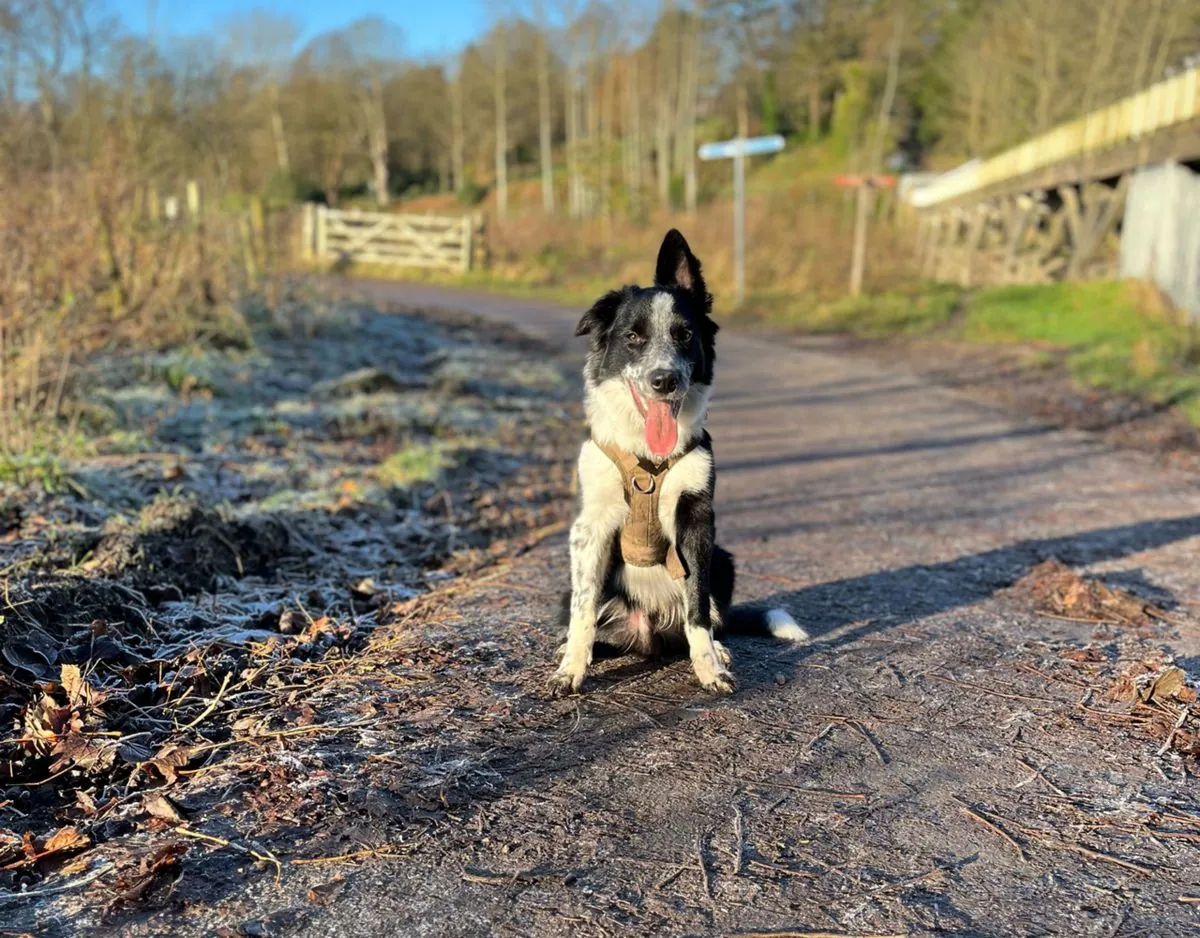
Because you’re in charge of your dog’s exercise, you’ll be outside far more than you’re used to. Your Border Collie needs bathroom breaks and plenty of exercise, and both happen outdoors now.
You’ll find yourself going on several walks, runs or bike rides a day. Even when you don’t feel like it, or the weather is bad, you still have to go.
I remember living in my childhood home on an acre of land. Exercising the dogs was as easy as letting them outside to run around and play fetch. It was almost too easy. Living in a house with a small backyard was completely different, and an apartment is harder still.
Make Dog Parks and Open Fields Your Backyard
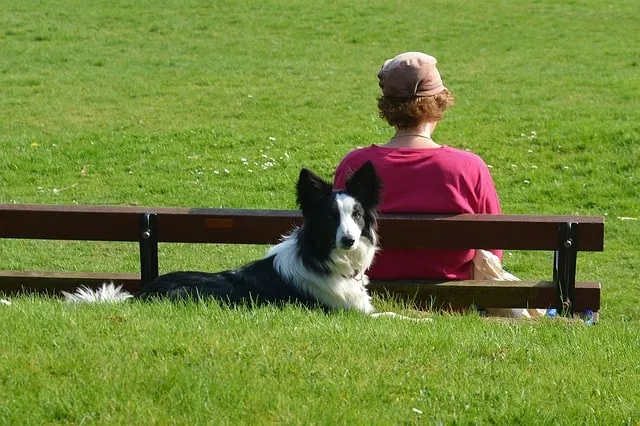
A fenced dog park is the closest thing to a backyard you’ll get in the city. Your dog can run off leash, chase a ball and stretch its legs in a way a leash walk never allows.
Dog parks aren’t perfect for every Border Collie, though. Some get overexcited, some try to herd other dogs, and some are nervous in a crowd. Go at quiet times at first and watch how your dog handles it. A long training line in an empty field or a rented private dog field are good alternatives.
Learn to Love Tricks and Training
All Border Collies need mental stimulation, whether they live on a farm or in a flat. That can be obedience training, tricks, scent games, puzzle toys or dog sports such as agility and flyball.
If you’ve never had a Border Collie, you’d be surprised how much they can learn. My collie mix would do anything if treats were involved. Ten minutes of training can tire a Border Collie as much as a long walk. Our Border Collie training guide has a full plan, and these toys and puzzle toys for Border Collies help on days you’re short on time.
Teach an Off Switch
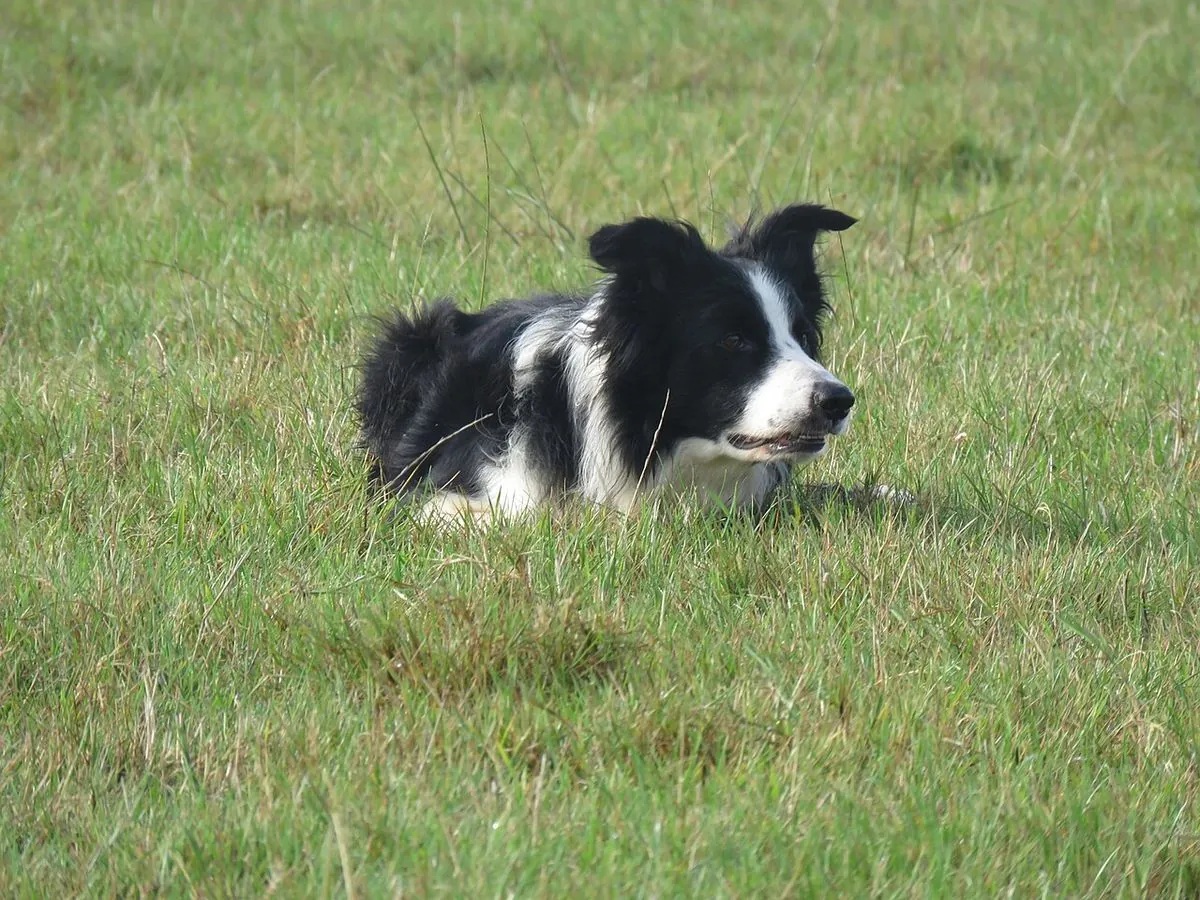
In a small space, a dog that knows how to settle makes life much easier for both of you. Reward your Border Collie for lying calmly on a mat. Give it a long-lasting chew after exercise. Use a crate or a quiet corner with a comfortable dog bed so it has a spot of its own.
Don’t fall into the trap of endless fetch. A dog that only ever gets wound up learns to stay wound up. Mix hard exercise with calm, slow activities like sniff walks.
Get Ahead of Barking and Noise
Border Collies notice everything: footsteps in the hall, the elevator, a dog barking two floors down. In an apartment, that alertness can turn into barking that your neighbors hear.
Exercise helps, but so does training. Teach a “quiet” cue, reward your dog for looking at you instead of the door, and use white noise or a radio to mask hallway sounds. Our page on whether Border Collies bark a lot goes deeper.
Build Up Alone Time Slowly
Border Collies bond closely with their people, and some struggle when left alone. Barking or howling the whole time you’re gone, chewing at the door and accidents only when you’re out can all point to separation anxiety, which the ASPCA describes in detail.
Start with short absences and build up. Leave a stuffed food toy when you go. If you work long days, book a dog walker or doggy daycare so your dog isn’t alone for the whole shift.
The Upsides of Apartment Life With a Border Collie
Apartment life isn’t all hard work. It has some real perks.
You’ll Meet Plenty of Neighbors
With all the time you spend going in and out, you’ll meet your neighbors. Before I had a dog, I could only name the people on either side of me. Once I got a dog, that changed. I could name every neighbor with a dog, and their dog, because I ran into them so often.
For introverts this can feel like a lot at first, but it’s a nice feeling once you get used to it. My collie loved seeing the other dogs every day, too.
It’s Good for Your Health
Taking your dog out several times a day gets you moving. Unless you’re already into fitness or walk everywhere, you probably aren’t exercising multiple times a day. A Border Collie will change that. Walking, biking, hiking or running becomes part of your routine whether you planned it or not.
The Downsides to Expect

Sometimes living in an apartment with a dog is just inconvenient. Letting a dog out the back door is much easier than getting dressed, clipping on a leash and riding the elevator down.
- Late-night bathroom trips in your pajamas.
- Walks in snow, rain and summer heat, every day.
- Stairs or elevators for every potty break, which is hard with a young puppy.
- Neighbors who may complain about barking or footsteps.
- No yard for a quick game of fetch when you’re tired.
There will be times you really wish you had a backyard. If an apartment is your only option and you accept these trade-offs, you can make it work.
Border Collie Apartment Living: Pros and Cons
| Pros | Cons |
|---|---|
| More time spent with your dog and a closer bond | Much more of your time is needed every day |
| You get outdoors and exercise more | Bad weather doesn’t cancel walks |
| You meet neighbors and their dogs | Your dog relies on you for every bathroom break |
| Lots of chances to socialize your Border Collie | No backyard for free running |
| New walks, parks and adventures | Barking and noise can bother neighbors |
Living in an apartment with a Border Collie comes down to whether you’ll put in the work. If you will, the benefits can outweigh the drawbacks.
Check Your Lease Before You Bring One Home
Before you fall for a dog, read your lease. Many buildings set weight limits, charge pet deposits or monthly pet rent, or cap the number of pets. An adult Border Collie usually weighs somewhere between about 12 and 25 kg (26 to 55 lb), according to the breed figures on Wikipedia’s Border Collie article, so a building with a small-dog limit may rule one out.
Also look at the building itself. A ground floor unit, a nearby park and a quiet hallway all make life easier. A fifth-floor walk-up with no green space nearby makes every potty break a project.
Puppy or Adult Border Collie for an Apartment?
An adult Border Collie is often the easier choice for apartment living. You can see its energy level and how it handles noise and being alone before you commit. Many rescues foster dogs in homes, so they can tell you whether a dog has coped with city life. You can find groups near you on our list of Border Collie rescues by state.
A puppy can work too, but expect frequent trips outside for house-training, lots of chewing and short, careful exercise while its joints grow. The Border Collie puppy guide covers that first year.
Signs Your Border Collie Needs More
Watch for these signs that your apartment setup isn’t meeting your dog’s needs:
- Chewing furniture, door frames or baseboards.
- Pacing, whining or not settling in the evening.
- Barking at every hallway sound.
- Herding or nipping at feet, other pets or kids.
- Spinning, shadow chasing or fixating on lights.
If you see these, add more exercise and more brain work first. If things don’t improve, talk to your vet or a qualified trainer. Before you commit to a dog at all, the “Is a Border Collie right for me?” quiz and our look at Border Collie temperament will tell you what you’re signing up for. If you’re torn between herding breeds, compare the Border Collie vs Australian Shepherd.
Border Collie Apartment FAQ
Can You Keep a Border Collie in an Apartment if You Work Full Time?
You can, but you’ll need help. Most adult Border Collies cope with a normal workday only if they get a long walk before you leave, a midday break from a dog walker or neighbor, and real exercise when you get home. Doggy daycare a few days a week is another option for high-energy dogs.
What Size Apartment Does a Border Collie Need?
There’s no minimum size. A Border Collie in a studio with an active owner can be happier than one in a large house that rarely goes out. Indoors, your dog needs a quiet spot to rest, room for a crate or bed, and space for short training games. The real exercise happens outside.
Can a Border Collie Puppy Live in an Apartment?
Yes, but it’s hard work. Young puppies need to go out often, including at night, which means many trips down stairs or elevators. They also chew, nip and need gentle, short exercise. An adult dog with a known temperament is usually easier for a first apartment Border Collie.
Are Collies Good Apartment Dogs?
If you mean the Border Collie, the answers above apply. Rough Collies and Smooth Collies are separate breeds with their own needs, though they’re also herding dogs that need daily exercise and company. Talk to breeders or rescues about how individual dogs of that breed have coped with apartment life.
Do Border Collies Bark a Lot in Apartments?
They can. Border Collies are alert and react to sounds and movement, and apartments are full of both. Plenty of exercise, a taught “quiet” cue and white noise to cover hallway sounds keep most dogs manageable. A dog that barks nonstop when left alone may have separation stress rather than a noise problem.
Are Border Collies Good for First-Time Owners in Apartments?
It’s a tough combination. A first-time owner is learning dog care while also managing a high-energy breed in a small space. It can work if you’re committed and get help from a trainer early. Our page on Border Collies for first-time owners covers that question in more depth.
Can I leave a border collie 8 to 9 hours at an apartment alone when I am at work. Then, I can spend at least 2 hours for physical exercise and one hour for mental stimulations.
What about other dogs? How office workers keep their dog during the office hours?
Sorry, Eric. This comment must have slipped through the cracks! Yes, when I was working at an office, I would leave my border collie at home for 7-8 hours during the weekdays. I just made sure to get him some good exercise before and after, and then before bed. They will become used to whatever exercise you give them. 2 hours is just a guideline that I would try to reach every day. You’ll know when they aren’t getting enough exercise and mental stimulation because they will start gaining weight and becoming destructive while you are away at work.
Hi Austin!
I’m a little concerned for the Border Collie pup that my friend is trying to raise. He’s currently 5 months old and lives in a first floor apartment with no street facing windows. My friend spends long stretches of time away from home (7-9 hours) and when he’s away the pup gets locked into a pen for the whole time. I recently spent a couple of days with the pup because my friend had to go out of town on a business trip and he seemed pretty depressed. I couldn’t walk him very far because he already seems to be developing osteochondritis dissecans, but tried to make up for the lack of stimulation by playing with him for a couple of hours. However, when I left my friend’s apartment the pup had to go back in the pen until his boyfriend arrived in the evening (they don’t live together at the moment, so most of the time there’s only one human around when there are humans around). There is a cat living in the apartment as well, so the pup does get some interaction. It just seems quite cruel to keep a pup of that age locked up for so long, toys are useless in that situation because he doesn’t have the space to throw or chase them. I really want to talk to my friend about it, I’m just not sure how to approach the subject. When he first told me he was thinking of getting a BC I told him then that it wouldn’t be fair on the puppy because my friend leads quite a busy life – he’s a student in vet school so his schedule is very demanding and is likely to increase over the next 2 years. He wouldn’t listen to me though and was very adamant that he wanted a dog of this breed. I know he loves the dog but I also think he’s more in love with the idea of having that breed of dog than the reality of it. Not sure what to do or say, so can you give me any advice?
Thank you in advance!
That’s a very unfortunate situation. I have experienced it before as well with our neighbors’ dogs who were on the balcony almost all day every day. There is not much you can do about it because it is the owner’s choice to let them live like this. Since it sounds like you know him pretty well, I would definitely talk to him and tell him (Or even show him articles) about the negative impact this can have on border collies. Heck, the vast majority of breeds shouldn’t be put in this situation. At a minimum, the dog should at least be able to roam around the house during the day. I hope you can talk some sense into him and save the pup!
Hi Mj, how did this talk go with your friend and how is the bc doing??
Hi, Austin. I’m 18, I live in an apartment with my dad and we have recently adopted a BC mix. She’s 3 months old. My dad has gone away for almost a month to visit relatives and I’m here with the little dog. She’s really active and likes to go outside as she gets really excited whenever I show her the leash. I have some concerns, though. For some reason, she hates it when I sit down to eat. She starts barking like crazy and barely nothing calms her. I usually feed her before I eat so she’s not hungry when I’m having lunch/dinner, but she keeps barking at me a lot and I don’t know what to do.
Another thing I’m worried about is the fact that I might be going away to study abroad in a few months and my dad will stay here with her, but he works a lot of hours and I’m scared my dog Kiara will get depressed. I just want her to be happy and it gets me worried that she might not be. I love her but I don’t know if my dad really thought it through when he adopted her. And now I just hope she’ll be ok once I’m away.
Hello, we’re thinking of adopting a BC but my mom has some concerns. We live in apartment, we can give him the exercise she needs but our neighbours kinda hate animals so do they bark often? It would create a problem for those unloving neighbours of ours. One of them has a dog but she said she had to have his vocal cords removed. I’m very concerned about that. There’s a little pup waiting to find a home so i would be so thankful if you can answer me asap. Thank you
Mine barks at squirrels and when he hears strange noises outside, so it could be a problem if your apartment complex has a lot of activity and noises. PLEASE DON’T EVER do that to a dog. That is horrible
Hi Austin,
My ex girlfriend and great friend passed away a couple of weeks ago
Got the phone call from her daughter
I am getting my 2 border collies back brother and sister had them since small puppies
Thing is that I now live in a 3 bedroom apartment and is pretty big 2 empty bedrooms
Only thing I’m worried about is leaving them alone and destroying stuff
Pretty sure they won’t because they have each other
They are 7yrs old
Any advice from experience would be appreciated
Thanks
Ray
I live in an apartment with a 3y old male border collie. There is not much difference compared to living in a house. We used to live in a big house with a big yard. But my dog was almost never in the yard on his own. I would let him out and he would just sit at the door waiting for me to let him back in.
I spend a lot of time outside with my dog. We go for a walk at least twice a day. And he goes everywhere with me. Pick up kid from school, to the grocery store, to the doctor’s office, … So not much difference living in an apartment compared to a house. He is just as happy living in the apartment as in the house. He spends most of his time indoors sleeping, looking at his food bowl or licking his b*lls.
One big difference is the dirt he brings inside. In my house, I had a separate entrance leading into a big room where he could dry and shake off the dirt from his fur after a walk. Now I first have to walk him thru the common hallway / elevator and then straight into my living room. So instead of just needing to clean 1 room, I now need to clean the common hallway, elevator and the entire living room. And he gets very dirty. And wet. And smelly.