
This is Part 5 of our series on adopting a Border Collie.
Good Border Collie vet care starts with picking a vet you trust and booking a first visit within the first week or two after your dog comes home. From there, the yearly routine covers vaccines, parasite prevention, dental checks and a few breed-specific things your vet should know about.
How to Find a Good Vet for Your Border Collie

Start looking before you need one. A sick dog on a Saturday night is a bad time to read clinic reviews.
AAHA Accreditation
The American Animal Hospital Association (AAHA) accredits animal hospitals in the US and Canada. Clinics volunteer for it and get checked against hundreds of standards, including anesthesia, pain management and record keeping.
Only a minority of clinics are accredited, so a non-accredited vet can still be excellent. Treat it as a plus, not a requirement.
Fear Free Certification
Fear Free is a training program that teaches vets and their staff to lower stress during visits. Think slower handling, treats on the exam table and less restraint.
This matters with Border Collies, which tend to be sensitive and notice everything. A dog that learns the clinic is scary gets harder to examine every year.
Location and Emergency Coverage
Pick a clinic you can reach in 20 minutes or so. Then find out what happens after hours. Some clinics take their own emergency calls, but most send you to a 24-hour emergency hospital.
Save the name, address and phone number of that emergency hospital in your phone today. Border Collies run hard, eat things they shouldn’t and cut their pads on rocks, so you will likely need it at some point.
Questions to Ask on the First Visit
- Have you treated many herding breeds, and do you know about the MDR1 drug sensitivity?
- Which vaccines do you recommend for a dog with our lifestyle, and why?
- What happens if my dog gets sick at night or on a weekend?
- How do you handle anxious dogs?
Red Flags
Be wary of a vet who brushes off your questions, won’t explain why a test or vaccine is needed, or pushes a big package of services on the first visit.
The First Vet Visit After Adopting
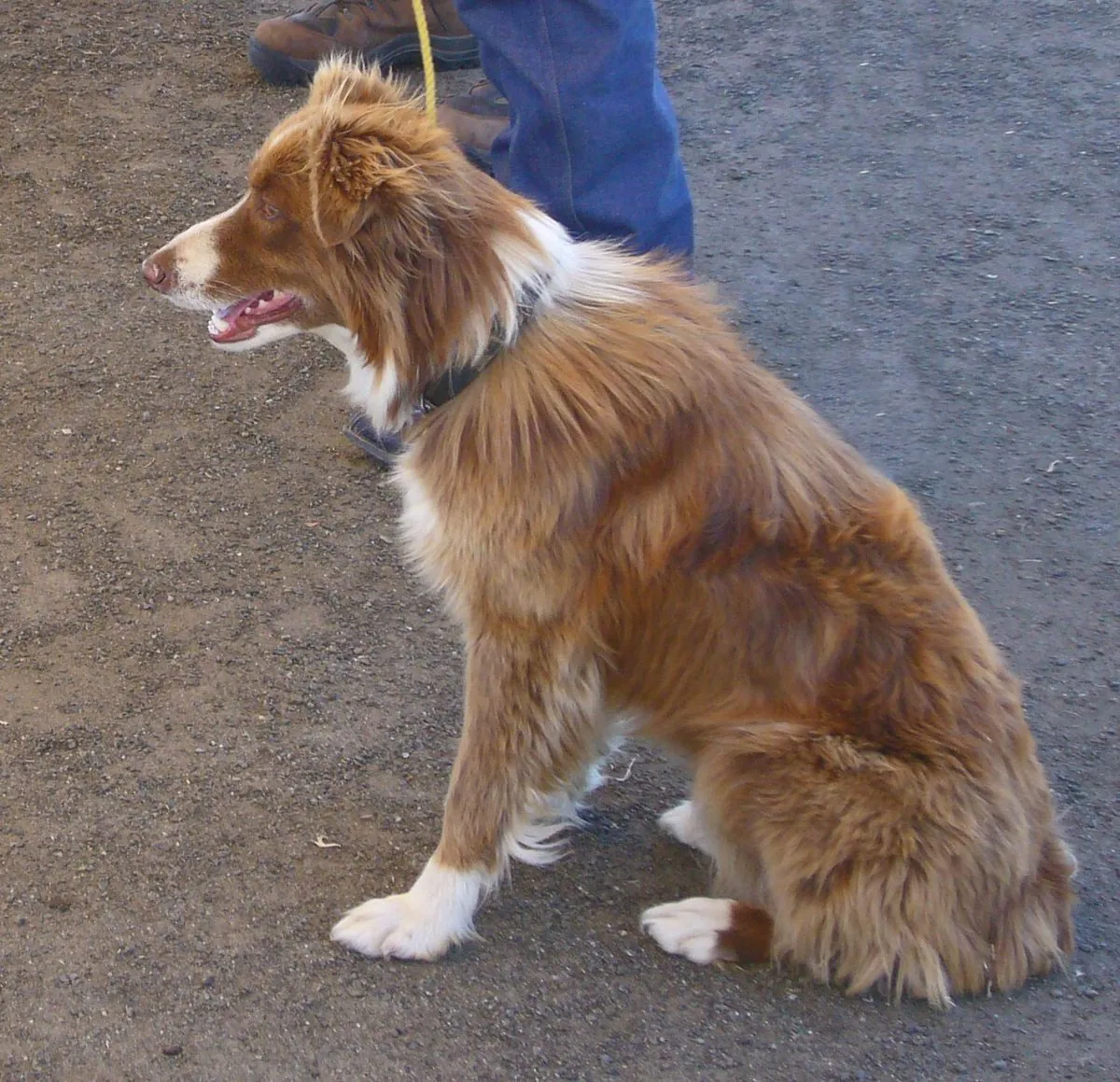
Book the first visit within a week or two of bringing your dog home, even if the dog looks healthy. Many rescues and breeders ask for this in the adoption contract, and it gives your vet a healthy baseline to compare against later.
Bring everything you were given. That includes:
- Vaccine records, with dates and product names if you have them
- Deworming and flea, tick or heartworm treatment history
- Spay or neuter paperwork from the rescue or shelter
- Microchip number and registration details
- Any DNA test results or parent health clearances from the breeder
- A fresh stool sample in a sealed bag for a parasite check
Expect a nose-to-tail exam, a weight check and a talk about which vaccines and preventives are still due. If the dog is over 7 months old, the vet will likely run a heartworm test. Bring a leash and treats too; the Part 1 list of new Border Collie essentials covers the rest of your gear.
Border Collie Vaccines: Core and Non-Core
Core vaccines are recommended for every dog. Non-core vaccines depend on where you live and what your dog does.
Under the AAHA canine vaccination guidelines, the core vaccines are distemper, adenovirus, parvovirus and rabies. Its 2022 guidelines also list leptospirosis as core for all dogs. The World Small Animal Veterinary Association (WSAVA) agrees on distemper, adenovirus and parvovirus, and treats rabies as core where the law requires it or the disease is present.
Common non-core vaccines include Bordetella (kennel cough), Lyme disease and canine influenza. Border Collies that board, go to classes, compete in trials or hike in tick country often get some of these. Talk it through with your vet.
Puppy Vaccine Schedule
AAHA recommends at least three doses of the combination vaccine between 6 and 16 weeks, given 2 to 4 weeks apart. Your vet may adjust the exact weeks.
| Age | Typical vaccines |
|---|---|
| 6 to 8 weeks | Distemper, adenovirus, parvovirus (DAPP combo) |
| 10 to 12 weeks | DAPP booster; leptospirosis dose 1 from 12 weeks |
| 14 to 16 weeks | Final DAPP dose (the last one at 16 weeks or later); leptospirosis dose 2 |
| 12 to 16 weeks | Rabies, timing set by state or local law |
| Within 1 year of the last puppy dose | DAPP booster, leptospirosis booster |
| Adult | DAPP every 3 years, leptospirosis yearly, rabies every 1 or 3 years |
A dog adopted as an adult with no records usually gets two doses of the combination vaccine, 2 to 4 weeks apart, plus rabies. The Border Collie puppy guide covers the early weeks in more detail.
Rabies Is Usually the Law
Most US states require rabies vaccination for dogs, and many cities tie dog licenses to it. The rules on age and booster timing vary, so ask your vet what applies where you live.
Heartworm, Flea and Tick Prevention
The American Heartworm Society recommends starting puppies on a heartworm preventive no later than 8 weeks of age and giving it all year, even where winters are cold. Dogs over 7 months should get a heartworm test before starting, then a test once a year.
Fleas and ticks come next. Ticks carry Lyme disease, ehrlichiosis and anaplasmosis, and a Border Collie that runs through tall grass will pick them up. Your vet can suggest a chew, topical or collar that also covers intestinal worms.
Ask your vet to pick products that are safe for dogs that carry the MDR1 gene. Standard heartworm preventives are considered safe at label doses, but the next section explains why the question still matters.
What to Tell Your Vet About Your Border Collie
MDR1 Drug Sensitivity
The MDR1 gene mutation (also called ABCB1) lets some drugs build up in the brain and cause serious side effects. It is most common in Collies and Australian Shepherds. Washington State University’s breed table puts Border Collies under 5%, so it’s rare in the breed, but it does happen.
Drugs that can cause trouble in dogs with the mutation include:
- Ivermectin at the high doses used to treat mange (heartworm-prevention doses are considered safe)
- Loperamide (Imodium), which affected dogs should avoid
- Acepromazine, a common sedative
- Butorphanol, a pain reliever and sedative
- Some chemotherapy drugs, such as vincristine and doxorubicin
The test is a simple cheek swab. If you skip it, ask your vet to treat your dog as possibly affected, and never give Imodium from your own medicine cabinet.
DNA Tests Worth Doing
If you got your dog from a breeder, ask for the parents’ results first. For a rescue or a dog with no paperwork, these tests are worth discussing with your vet:
- Collie eye anomaly (CEA), an inherited eye defect that ranges from mild to blinding
- Trapped neutrophil syndrome (TNS), where white blood cells get stuck in the bone marrow, leaving puppies with weak immune systems
- Neuronal ceroid lipofuscinosis (NCL), a fatal nervous system disease that usually shows up in young adults
- Imerslund-Gräsbeck syndrome (IGS), where the gut can’t absorb vitamin B12, treatable with B12 injections once found
- MDR1, covered above
Labs such as the UC Davis Veterinary Genetics Laboratory run these from a cheek swab. The common Border Collie health problems page explains each condition in more depth.
One thing a DNA test won’t catch is Border Collie collapse, where a dog becomes wobbly and disoriented during hard exercise, often in heat. No genetic test exists for it yet. If your dog ever stumbles or seems confused mid-play, stop, cool the dog down and tell your vet.
Eye and Hip Screening
Responsible Border Collie breeders screen their dogs’ hips and have their eyes checked by a board-certified veterinary ophthalmologist. These results go into the Orthopedic Foundation for Animals (OFA) database.
Pet owners don’t have to do formal screening. Still, if your dog limps, bunny-hops when running or seems to bump into things, ask about hip X-rays or a referral to an eye specialist. OFA only gives final hip ratings once a dog is at least 2 years old.
When Should You Spay or Neuter a Border Collie?
No single age is right for every Border Collie, and the research is mixed. Talk through your dog’s sex, health and living situation with your vet before deciding.
The most cited study is a 2020 UC Davis paper that looked at 35 breeds, including 399 Border Collies (Hart et al., Frontiers in Veterinary Science). In Border Collies, neutering wasn’t linked to more joint problems. It was linked to more cancer in dogs fixed at 6 to 11 months: 13% in males and 11% in females, compared with 2% and 0% in intact dogs. The authors suggested waiting until after the first birthday.
There’s another side to this. The study used hospital records from one teaching hospital, and the Border Collie groups were small. Spaying also prevents pyometra, a dangerous uterine infection, and unplanned litters. Most rescue dogs arrive already fixed, so this question mostly comes up with puppies.
Microchipping

A microchip is a tiny chip under the skin between the shoulder blades. A shelter or vet can scan it to find your contact details. Border Collies are fast and can clear fences when something catches their eye, so a chip is cheap insurance.
The chip only works if it’s registered to you. After adopting, update the registration with your name and phone number, and ask your vet to scan the chip at each yearly visit to make sure it still reads.
Dental Care
Gum disease is the most common dental problem in dogs. The American Veterinary Medical Association says most dogs show early signs of it by age 3.
Brushing a few times a week with dog toothpaste does the most good. Your vet will check teeth at each exam and may suggest a cleaning under anesthesia when tartar builds up.
Annual Checkups vs. Senior Checkups

Healthy adult dogs should see the vet at least once a year. AAHA recommends exams every six months for dogs over 7, because problems like kidney disease, arthritis and thyroid issues show up faster in older dogs.
Border Collies often live into their early to mid teens, so the senior years can be long. Blood work at senior visits helps catch changes before your dog shows symptoms. The Border Collie lifespan page covers what to expect as your dog ages.
Pet Insurance Basics
Pet insurance pays back part of your vet bill after you pay it. Most plans cover accidents and illnesses; routine care is often an add-on.
When comparing plans, check these things:
- The deductible, and whether it resets each year or each condition
- The reimbursement rate, often 70%, 80% or 90%
- Any yearly or lifetime payout cap
- Waiting periods before coverage starts
- How the plan defines pre-existing conditions
Pre-existing conditions are almost never covered, so insurance is cheapest and most useful when you buy it early. A dog that sprints and spins all day has plenty of chances to tear a ligament or cut a paw, which is worth weighing.
Signs Your Border Collie Needs a Vet Now
Call your vet or go straight to the emergency hospital if you see any of these:
- Trouble breathing, or gums that look pale, blue or gray
- Collapse, fainting or not being able to stand
- A seizure, or more than one in a day
- A swollen, hard belly with retching that brings nothing up
- Heavy panting, drooling and wobbling after exercise on a hot day
- Eating something toxic, such as chocolate, grapes, xylitol, rat poison or human medicine
- Vomiting or diarrhea that won’t stop, or any with blood
- Straining to pee with little or nothing coming out
- Bleeding that doesn’t stop after 5 minutes of pressure
- An eye injury, or a sudden cloudy or squinting eye
If you’re unsure, call. Emergency clinics would rather hear from you early than see a dog that waited too long.
With a vet lined up and your dog’s records in order, the next step is the food bowl. Part 6 covers feeding your Border Collie, from how much to feed to picking a food.
Border Collie Vet Care FAQ
How Often Should a Border Collie See the Vet?
An adult Border Collie should see the vet at least once a year for a checkup, vaccines that are due and a heartworm test. Puppies need visits every few weeks until about 16 weeks old. AAHA recommends exams every six months once a dog is older than 7.
What Vaccines Does a Border Collie Need?
Every Border Collie needs the core vaccines: distemper, adenovirus, parvovirus and rabies, and AAHA now adds leptospirosis to that list. Bordetella, Lyme and canine influenza are optional and depend on boarding, classes, travel and tick exposure. Your vet will tailor the list to your dog’s lifestyle.
Should I Test My Border Collie for MDR1?
Testing is a good idea, especially for a rescue or a herding mix with unknown parents. The mutation is uncommon in Border Collies, but affected dogs can react badly to drugs like loperamide and high-dose ivermectin. The test is a cheek swab, and the result lasts your dog’s whole life.
When Should I Get My Border Collie Spayed?
There’s no single right age. A 2020 UC Davis study found higher cancer rates in Border Collies fixed at 6 to 11 months and suggested waiting until after the first birthday, though its sample was small. Spaying also prevents pyometra and unplanned litters, so make the call with your vet.
Is Pet Insurance Worth It for a Border Collie?
It can be. A dog that runs, jumps and herds has plenty of chances to get hurt, and hip dysplasia and eye disease run in the breed. Insurance works best when you sign up young, before any condition counts as pre-existing. Compare deductibles, reimbursement rates and whether hereditary conditions are covered.